Building of Tomorrow
Technology for builders — AI, robotics, and the systems shaping the next decade. By Aiman JoeHanz.
Kofi · Payhip · Gumroad — every volume with its own product link
The books — 64 volumes
 Building the Blockchain of Tomorrow · Vol. 1
A comprehensive guide to blockchain technology for practitioners, developers, and decision-makers. Covers the current state of blockchain, consensus mechanisms, smart contracts, DeFi, tokenization, layer-2 scaling solutions, zero-knowledge proofs, DAOs, Web3, cryptocurrency, supply chain applications, and decentralized infrastructure. Eight chapters with practical insights, step-by-step guides, real-world case studies, and an action plan for organizations beginning their blockchain journey.
Table of contents
- Introduction
- Chapter 1: The Current State of Blockchain Technology
- Chapter 2: Limitations and Failure Modes of Today's Blockchain
- Chapter 3: Common Mistakes in Blockchain Projects
- Chapter 4: Foundational Principles of Blockchain Design
- Chapter 5: The Step-by-Step Guide to Building Blockchain Applications
- Chapter 6: Implementation Strategies for Production Blockchain Systems
- Chapter 7: Technology Deep Dive: Consensus, Smart Contracts, and Layer-2
- Chapter 8: Case Studies: Real-World Blockchain Deployments
- Chapter 9: Evaluating and Testing Blockchain Systems
- Chapter 10: The Future of Blockchain
- Chapter 11: Action Plan: Building Your Blockchain Practice
- Chapter 12: Advanced Topics: Security, Privacy, and Regulatory Compliance
- Chapter 13: Building a Blockchain-Ready Organization
- Frequently Asked Questions
- Glossary
- Bibliography
- Appendix A: Deep Dive into Smart Contract Vulnerabilities
- Appendix B: Token Economics Design
- Appendix C: Deployment and Operations Checklist
- Appendix D: Platform Comparison
- Appendix E: Smart Contract Development Best Practices
- Appendix F: Regulatory Reference
- Appendix G: Case Study: A Complete DeFi Protocol
- Appendix H: Glossary of Attack Vectors
- Appendix I: Blockchain Integration Patterns
- Appendix J: Frequently Misunderstood Concepts
- Appendix K: Development Environment Setup
- Appendix L: Key Metrics for Evaluating Blockchain Platforms
- Appendix M: Blockchain Development Resources
 Building the Natural Language Processing of Tomorrow · Vol. 2
A practical guide to natural language processing for practitioners and decision-makers. Covers the current state of NLP, large language models, transformers, RAG, fine-tuning, GPT, chatbots, machine translation, text classification, sentiment analysis, and deployment strategies. Eight chapters with practical insights, technology deep dives, real-world case studies, and an action plan for organizations implementing NLP solutions.
Table of contents
- Introduction
- Chapter 1: The Current State of Natural Language Processing
- Chapter 2: Where Today's NLP Falls Short
- Chapter 3: Common Mistakes in NLP Projects
- Chapter 4: Foundational Principles of NLP Design
- Chapter 5: Building NLP Applications, One Step at a Time
- Chapter 6: Implementation Strategies for Production NLP Systems
- Chapter 7: Technology Deep Dive: Transformers, Attention, and the LLM Stack
- Chapter 8: Case Studies: Real-World NLP Deployments
- Chapter 9: Evaluating and Testing NLP Systems
- Chapter 10: The Future of NLP
- Chapter 11: Action Plan: Building Your NLP Practice
- Chapter 12: Advanced Topics: Safety, Alignment, and Responsible NLP
- Chapter 13: Building an NLP-Ready Organization
- Frequently Asked Questions
- Glossary
- Bibliography
- Appendix A: NLP Architecture Patterns in Detail
- Appendix B: Evaluation Techniques in Depth
- Appendix C: Cost Optimization Techniques
- Appendix D: NLP Project Anti-Patterns
- Appendix E: The RAG Quality Optimization Guide
- Appendix F: The Model Selection Decision Guide
- Appendix G: Production Deployment Patterns
- Appendix H: The NLP Team Operations Guide
 Building the Computer Vision of Tomorrow · Vol. 3
A practical guide to computer vision for practitioners, engineers, and decision-makers. Covers the current state of computer vision, CNNs, vision transformers, YOLO, image classification, object detection, segmentation, facial recognition, autonomous vehicles, medical imaging, diffusion models, and foundation models. Eight chapters with practical insights, technology deep dives, real-world case studies, and an action plan for organizations implementing computer vision solutions.
Table of contents
- Introduction
- Chapter 1: The Current State of Computer Vision
- Chapter 2: Where Today's Computer Vision Breaks Down
- Chapter 3: Common Mistakes in Computer Vision Projects
- Chapter 4: Foundational Principles of Computer Vision Design
- Chapter 5: Building Computer Vision Applications, Step by Step
- Chapter 6: Implementation Strategies for Production Computer Vision Systems
- Chapter 8: Case Studies: Real-World Computer Vision Deployments
- Chapter 9: Evaluating and Testing Computer Vision Models
- Chapter 10: The Future of Computer Vision
- Chapter 11: Action Plan: Building Your Computer Vision Practice
- Chapter 12: Advanced Topics: Adversarial Robustness, Privacy, and Ethics
- Chapter 13: Building a Computer Vision-Ready Organization
- Frequently Asked Questions
- Glossary
- Bibliography
- Appendix A: Model Selection Guide
- Appendix B: Data Annotation Guidelines
- Appendix C: Production Deployment Checklist
- Appendix D: Cost Optimization Guide
- Appendix E: Common Error Patterns and Solutions
- Appendix F: Computer Vision Development Resources
- Appendix G: Team Roles and Responsibilities
- Appendix H: Risk Matrix for Computer Vision Projects
- Appendix I: Recommended Learning Path
- Appendix J: Extended FAQ
- Appendix K: Production Architecture Patterns
- Appendix L: Evaluation Metric Deep Dive
- Appendix M: Glossary Supplement
- Appendix N: The Computer Vision Project Lifecycle
- Appendix O: The Deployment Decision Tree
- Appendix P: Troubleshooting Guide
- Appendix Q: Best Practices Summary
- Appendix R: Computer Vision for Specific Industries
- Appendix S: Model Comparison and Benchmarking
- Appendix T: The Complete Glossary Supplement
- Appendix U: Advanced Implementation Topics
- Appendix V: Production Architecture Reference
- Appendix W: The Practitioner's Checklist Library
- Appendix X: Quick Reference Cards
 Building the Foundation Models of Tomorrow · Vol. 4
A practical guide to foundation models for practitioners and decision-makers. Covers the current state of foundation models, LLMs, GPT, transformers, RAG, fine-tuning, scaling laws, mixture of experts (MoE), RLHF, alignment, hallucination mitigation, and AI infrastructure. Eight chapters with practical insights, technology deep dives, real-world case studies, and an action plan for organizations adopting foundation models.
Table of contents
- Introduction
- Chapter 1: The Current State of Foundation Models
- Chapter 2: Limitations and Failure Modes of Foundation Models
- Chapter 3: Common Mistakes in Foundation Model Projects
- Chapter 4: Foundational Principles of Foundation Model Design
- Chapter 5: Building on Foundation Models, Step by Step
- Chapter 6: Implementation Strategies for Production Foundation Model Systems
- Chapter 7: Technology Deep Dive: Architecture, Training, and Inference
- Chapter 8: Case Studies: Real-World Foundation Model Deployments
- Chapter 9: Evaluating and Testing Foundation Models
- Chapter 10: The Future of Foundation Models
- Chapter 11: Action Plan: Building Your Foundation Model Practice
- Chapter 12: Advanced Topics: Alignment, Safety, and Governance
- Chapter 13: Building a Foundation Model-Ready Organization
- Frequently Asked Questions
- Glossary
- Bibliography
- Appendix A: Model Selection Guide for Foundation Models
- Appendix B: Fine-Tuning Techniques for Foundation Models
- Appendix C: Production Architecture for Foundation Model Systems
- Appendix D: Extended FAQ
- Appendix E: Cost Optimization Guide for Foundation Model Systems
- Appendix F: Evaluation and Testing of Foundation Models
- Appendix G: Deployment Checklist for Foundation Model Systems
- Appendix H: RAG Implementation Deep Dive
- Appendix I: Glossary Supplement
- Appendix J: Production Case Studies
- Appendix K: Best Practices Summary
- Appendix L: The Foundation Model Practitioner's Checklist Library
 Building the Prompt Engineering of Tomorrow · Vol. 5
Building the Prompt Engineering of Tomorrow is a practical guide to designing, testing, and scaling AI prompts that work in production. The book treats prompts as engineering artifacts—versioned, tested, evaluated, and deployed with the same rigor as code. It covers foundational principles, step-by-step guides, implementation strategies, technology deep dives, case studies, and the future of the discipline.
Table of contents
- Introduction
- Chapter 1: The Current State of Prompt Engineering
- Chapter 2: Where Today's Prompt Practices Break
- Chapter 3: Common Mistakes in Prompt Engineering
- Chapter 4: Foundational Principles of Prompt Design
- Chapter 5: Building Effective Prompts, Step by Step
- Chapter 6: Implementation Strategies for Production Prompt Systems
- Chapter 8: Case Studies: Real-World Prompt Engineering Deployments
- Chapter 9: Evaluating and Testing Prompts
- Chapter 10: The Future of Prompt Engineering
- Chapter 11: Action Plan: Building Your Prompt Engineering Practice
- Chapter 13: Building a Prompt-Driven Organization
- Frequently Asked Questions
- Glossary
- Bibliography
- Appendix A: The Prompt Pattern Library
- Appendix B: Prompt Engineering for Specific Use Cases
- Appendix C: Prompt Security and Injection Defense
- Appendix D: Prompt Evaluation Framework
- Appendix E: Advanced Prompt Engineering Techniques
- Appendix F: Production Prompt Management
- Appendix G: Cost Optimization for Prompt Engineering
- Appendix H: Extended FAQ
- Appendix I: Glossary Supplement
- Appendix J: Best Practices Summary
- Appendix K: The Prompt Engineer's Toolkit
- Appendix L: Quick Reference Cards
- Appendix M: The Computer Vision Connection
 Building the Data Engineering of Tomorrow · Vol. 6
A comprehensive guide to data engineering for practitioners, engineering leaders, and decision-makers. Covers the current state of data engineering practice, common failure modes and mistakes, foundational principles from ETL to idempotency, core architectures including data warehouses, lakes, lakehouses, streaming, and data mesh, implementation strategies for production data systems, technology evolution from batch to streaming, real-world case studies, scaling and future-proofing practices, governance and compliance, and the trust and ethics of responsible data engineering. Thirteen chapters
Table of contents
- Introduction
- Chapter 1: The Current State of Data Engineering
- Chapter 2: Where Today's Data Engineering Breaks Down
- Chapter 3: Common Mistakes in Data Engineering Programs
- Chapter 4: Foundational Principles of Data Engineering
- Chapter 5: Core Data Architectures and Platforms
- Chapter 6: Implementation Strategies for Production Data Systems
- Chapter 7: Technology Deep Dive: From Batch ETL to Streaming and the Lakehouse
- Chapter 8: Case Studies: Real-World Data Engineering Deployments
- Chapter 9: Scaling and Future-Proofing Data Platforms
- Chapter 10: The Future of Data Engineering
- Chapter 11: Action Plan for Organizations Building Data Engineering Capability
- Chapter 12: Advanced Topics: Governance, Compliance, and Emerging Data Risks
- Chapter 13: Trust, Ethics, and the Responsible Data Engineering Journey
- Frequently Asked Questions
- Glossary
- Appendix A: Data Architecture Decision Guide
- Appendix M: Quick Reference Guide
- Index
- Appendix B: Production Data Pipeline Reference
- Appendix C: Data Governance and Compliance
- Appendix D: Cost Optimization for Data Systems
- Appendix E: Modern Data Stack Guide
- Appendix F: Streaming Data Systems
- Appendix G: Data Testing and CI/CD
- Appendix H: Cloud Data Platforms Comparison
- Appendix I: Data Engineering Case Studies
- Appendix J: Extended FAQ
- Appendix K: Best Practices Checklist
- Appendix L: The Future of Data Engineering
 Building the Agentic AI of Tomorrow · Vol. 7
A comprehensive guide to agentic AI for engineers, technical leaders, and decision-makers. Covers the current state of agentic AI, failure modes and common mistakes, foundational principles of bounded autonomy and safe agent design, core architectures from single-agent ReAct to multi-agent orchestration, implementation strategies for production agents, tool design, memory systems, safety mechanisms, real-world case studies, scaling practices, governance and compliance, and the trust and ethics of responsible agentic AI. Thirteen chapters with practical insights, key takeaways, and a five-phase
Table of contents
- Introduction
- Chapter 1: The Current State of Agentic AI
- Chapter 2: Where Today's Agentic AI Practices Fall Short
- Chapter 3: Common Mistakes in Agentic AI Programs
- Chapter 4: The Bedrock Principles of Agentic AI
- Chapter 5: Core Agentic AI Architectures and Models
- Chapter 6: Implementation Strategies for Production Agentic AI Systems
- Chapter 7: Technology Deep Dive: From Tool Use to Multi-Agent Orchestration
- Chapter 8: Case Studies: Agentic AI in the Field
- Chapter 9: Scaling and Future-Proofing Agentic AI Programs
- Chapter 10: The Future of Agentic AI
- Chapter 11: An Action Plan for Building Agentic AI Capability
- Chapter 12: Advanced Ground: Governance, Compliance, and Emerging Risks
- Chapter 13: Trust, Ethics, and the Responsible Agentic AI Journey
- Frequently Asked Questions
- Glossary
 Building the AI Token Saving Technologies of Tomorrow · Vol. 8
A comprehensive guide to AI token saving technologies for engineers, engineering leaders, and decision-makers. Covers the current state of token saving practice, failure modes and common mistakes, foundational principles, core architectures from prompt compression to semantic caching to model routing, implementation strategies, technology deep dives, real-world case studies, scaling practices, governance and compliance, and the trust and ethics of responsible token saving. Thirteen chapters with practical insights, key takeaways, and a five-phase action plan for organizations building token sa
Table of contents
- Introduction
- Chapter 1: The Current State of AI Token Saving Technologies
- Chapter 2: How Today's Token Saving Practices Fail
- Chapter 3: Common Mistakes in Token Saving Programs
- Chapter 4: Foundational Principles of Token Saving
- Chapter 5: Core Token Saving Architectures and Models
- Chapter 6: Implementation Strategies for Production Token Saving Systems
- Chapter 8: Case Studies: Real-World Token Saving Deployments
- Chapter 9: Scaling and Future-Proofing Token Saving Programs
- Chapter 10: The Future of AI Token Saving Technologies
- Chapter 11: Action Plan for Organizations Building Token Saving Capability
- Chapter 12: Governance, Compliance, and Emerging Risks in Token Saving
- Chapter 13: Trust, Ethics, and the Responsible Token Saving Journey
- Frequently Asked Questions
- Glossary
 Building the Cybersecurity of Tomorrow · Vol. 9
A comprehensive guide to cybersecurity for practitioners, security leaders, and decision-makers. Covers the current threat landscape, limitations of traditional security, zero trust architecture, implementation strategies, real-world case studies, scaling practices, governance, compliance, supply chain security, and the trust and ethics that define responsible security programs. Thirteen chapters with practical insights, key takeaways, and a five-phase action plan for organizations building security programs from first principles.
Table of contents
- Introduction
- Chapter 1: The Current State of Cybersecurity
- Chapter 2: Where Today's Security Practices Fall Short
- Chapter 3: Common Mistakes in Cybersecurity Programs
- Chapter 4: Foundational Principles of Cybersecurity
- Chapter 5: Core Security Architectures and Defense Models
- Chapter 6: Implementation Strategies for Production Security Programs
- Chapter 7: Technology Deep Dive: From Perimeter Defense to Zero Trust
- Chapter 8: Case Studies: Real-World Security Deployments
- Chapter 9: Scaling and Future-Proofing Security Programs
- Chapter 10: The Future of Cybersecurity
- Chapter 11: Action Plan for Organizations Building Security Programs
- Chapter 12: Advanced Topics — Governance, Compliance, Emerging Threats
- Chapter 13: Trust, Ethics, and the Responsible Security Journey
- Frequently Asked Questions
- Glossary
 Building the Machine Learning of Tomorrow · Vol. 10
A comprehensive guide to machine learning for practitioners, engineering leaders, and decision-makers. Covers the current state of ML practice, production gaps, foundational principles, model architectures from classical to deep learning, implementation strategies, real-world case studies, scaling practices, governance, compliance, and the trust and ethics of responsible machine learning programs. Thirteen chapters with practical insights, key takeaways, and a five-phase action plan for organizations building machine learning capability from first principles.
Table of contents
- Introduction
- Chapter 1: The Current State of Machine Learning
- Chapter 2: How Today's Machine Learning Practices Fail
- Chapter 3: Common Mistakes in Machine Learning Programs
- Chapter 4: Foundational Principles of Machine Learning
- Chapter 5: Core Machine Learning Architectures and Models
- Chapter 6: Implementation Strategies for Production Machine Learning
- Chapter 7: Technology Deep Dive: From Classical Models to Modern Deep Learning
- Chapter 8: Case Studies: Real-World Machine Learning Deployments
- Chapter 9: Scaling and Future-Proofing Machine Learning Programs
- Chapter 10: The Future of Machine Learning
- Chapter 11: Action Plan for Organizations Building Machine Learning Capability
- Chapter 12: Governance, Compliance, and Risks as Programs Mature
- Chapter 13: Trust, Ethics, and the Responsible Machine Learning Journey
- Frequently Asked Questions
- Glossary
 Building the Cloud Computing of Tomorrow · Vol. 11
A comprehensive guide to cloud computing for architects, engineering leaders, and decision-makers. Covers the current state of cloud practice, failure modes and common mistakes, foundational principles including the shared responsibility model and infrastructure as code, core architectures from IaaS to serverless, implementation strategies for production systems, technology evolution from VMs to serverless and edge, real-world case studies, scaling practices, governance and compliance, and the trust and ethics of responsible cloud computing. Thirteen chapters with practical insights, key takea
Table of contents
- Introduction
- Chapter 1: The Current State of Cloud Computing
- Chapter 2: How Today's Cloud Practices Fail
- Chapter 3: Common Mistakes in Cloud Computing Programs
- Chapter 4: Foundational Principles of Cloud Computing
- Chapter 5: Core Cloud Architectures and Service Models
- Chapter 6: Implementation Strategies for Production Cloud Systems
- Chapter 7: Technology Deep Dive: From Virtual Machines to Serverless and Edge
- Chapter 8: Case Studies: Real-World Cloud Computing Deployments
- Chapter 9: Scaling and Future-Proofing Cloud Platforms
- Chapter 10: The Future of Cloud Computing
- Chapter 11: Action Plan for Organizations Building Cloud Capability
- Chapter 12: Governance, Compliance, and Risks on the Horizon
- Chapter 13: Trust, Ethics, and the Responsible Cloud Computing Journey
- Frequently Asked Questions
- Glossary
 Building the AI of Tomorrow · Vol. 12
A comprehensive guide to artificial intelligence for practitioners, engineering leaders, and decision-makers. Covers the current state of AI, limitations and failure modes, architectural patterns, implementation strategies, real-world case studies, scaling practices, governance, safety, and ethical considerations. Thirteen chapters with practical insights, key takeaways, and a 90-day pilot template for organizations beginning their AI journey.
Table of contents
- Introduction
- Chapter 1: The Current State of Artificial Intelligence
- Chapter 2: Where Today's AI Breaks Down
- Chapter 3: Common Mistakes in AI Adoption
- Chapter 4: Foundational Principles of Artificial Intelligence
- Chapter 5: Core AI Architectures and Model Types
- Chapter 6: Implementation Strategies for Production AI Systems
- Chapter 7: Technology Deep Dive: From Machine Learning to Deep Learning
- Chapter 8: Case Studies: Real-World AI Deployments
- Chapter 9: Scaling and Future-Proofing AI Systems
- Chapter 10: The Future of Artificial Intelligence
- Chapter 11: Action Plan for Organizations Adopting AI
- Chapter 12: Advanced Topics: Governance, Safety, and Emerging Patterns
- Chapter 13: Trust, Ethics, and the Responsible AI Journey
- Frequently Asked Questions
- Glossary
 Building the Generative AI of Tomorrow · Vol. 13
A comprehensive guide to generative AI covering mathematical foundations, transformer architecture, diffusion models, multimodal systems, implementation strategies, RAG, fine-tuning, evaluation, scaling, cost optimization, safety, trust, ethics, regulatory compliance, and strategic planning for organizations deploying production generative AI systems. Includes 13 chapters with real-world case studies, practical insights, and actionable frameworks.
Table of contents
- Introduction
- Chapter 1: The Current State of Generative AI
- Chapter 2: Limitations and Failure Modes
- Chapter 3: Common Mistakes in Generative AI Adoption
- Chapter 4: Foundational Principles of Generative AI
- Chapter 5: Architecture and Design of Generative Models
- Chapter 6: Implementation Strategies for Production Systems
- Chapter 7: Technology Deep Dive: Transformers, Diffusion, and Beyond
- Chapter 8: Case Studies: Real-World Deployments
- Chapter 9: Scaling and Future-Proofing Generative Systems
- Chapter 10: The Future of Generative AI
- Chapter 11: Action Plan for Organizations
- Chapter 12: Advanced Topics and Emerging Patterns
- Chapter 13: Trust, Ethics, and the Road Ahead
- Frequently Asked Questions
- Glossary
 Building the Web3 of Tomorrow · Vol. 14
A practical, engineering-focused guide to Web3 technology — covering blockchain architecture, smart contracts, DeFi, NFTs, DAOs, and the infrastructure of a decentralized internet. Thirteen chapters with practical insights, real-world case studies, security best practices, and implementation strategies for production Web3 systems.
Table of contents
- Introduction
- Chapter 1: The Current State of Web3
- Chapter 2: Today's Web3: Limitations and Failure Modes
- Chapter 3: Common Mistakes in Web3 Projects
- Chapter 4: Foundational Principles of Web3 Design
- Chapter 5: Building Web3 Applications, Step by Step
- Chapter 6: Implementation Strategies for Production Web3 Systems
- Chapter 7: Technology Deep Dive: Smart Contracts, Consensus, and Cryptography
- Chapter 8: Case Studies: Real-World Web3 Deployments
- Chapter 9: Evaluating and Testing Web3 Systems
- Chapter 10: The Future of Web3
- Chapter 11: Action Plan: Building Your Web3 Practice
- Chapter 12: Advanced Topics: Privacy, MEV, and Cross-Chain Architecture
- Chapter 13: Building a Web3-Ready Organization
- Frequently Asked Questions
- Glossary
- Bibliography
 Building the Intelligence of Tomorrow · Vol. 15
A Practical Guide to the Systems Reshaping Cognitive Technology
Table of contents
- Chapter 1: Why This Topic Matters
- Chapter 2: What Readers Will Learn
- Part II: The Problem
- Chapter 3: The Intelligence Crisis We Face
- Chapter 4: Hallucinations and Reliability Failures
- Chapter 5: The Alignment Problem
- Chapter 6: Common Mistakes in AI Development
- Chapter 7: Why Previous Solutions Fail
- Chapter 8: Real-Life Examples of AI Failures
- Part III: The Solutions
- Chapter 9: Reducing Hallucinations
- Chapter 10: Advancing Reasoning and Planning
- Chapter 11: Alignment and Safety Frameworks
- Chapter 12: Data Solutions for Training
- Chapter 13: Efficiency and Model Compression
- Chapter 14: AGI Foundations
- Chapter 15: Superintelligence Pathways
- Chapter 16: Embodied Intelligence
- Chapter 17: Collective Intelligence
- Chapter 18: Cognitive Computing
- Chapter 19: Ambient Intelligence
- Chapter 20: Organic and Bio-Computing
- Chapter 21: Quantum AI
- Chapter 22: Neuromorphic Computing
- Chapter 23: Machine Civilization
- Chapter 24: Case Studies
- Chapter 25: Tools and Resources
- Chapter 26: Implementation Checklists
- Chapter 27: Frequently Asked Questions
- Chapter 28: Action Plan
- Chapter 29: Key Takeaways
- Appendix A: Glossary
- Appendix B: Timeline Summary
- Appendix C: Cost Reference
- Appendix D: Migration Guide for Organizations
- Appendix E: Bibliography and Further Reading
 Building the Microcontrollers of Tomorrow · Vol. 16
A Practical Guide to the Embedded Systems Reshaping Hardware
Table of contents
- Introduction
- Chapter 1: Current Microcontroller Landscape
- Chapter 2: Limitations and Challenges
- Chapter 3: Solutions and Innovations
- Chapter 4: Feature Deep-Dives
- Chapter 5: Outdated Technologies and Future Outlook
- Chapter 6: Conclusion and Recommendations
- Chapter 7: Advanced Microcontroller Architectures
- Chapter 8: Internet of Things and Connected Microcontrollers
- Chapter 9: Embedded AI and TinyML
- Chapter 10: Real-Time Operating Systems for Microcontrollers
- Chapter 11: Power Management for Battery-Operated Devices
- Chapter 12: Microcontroller Development Tools and Workflow
- Chapter 13: Interfacing with Sensors and Actuators
- Chapter 14: Communication Protocols Deep Dive
- Chapter 15: PCB Design Considerations for Microcontroller Projects
- Chapter 16: Microcontroller Selection Guide
- Chapter 17: Testing and Quality Assurance for Embedded Systems
- Chapter 18: Manufacturing and Production
- Chapter 19: Career Paths in Embedded Systems
- Chapter 20: Motor Control with Microcontrollers
- Chapter 21: Wireless Communication Implementation
- Chapter 22: Memory Management in Embedded Systems
- Chapter 23: Display and User Interface Implementation
- Chapter 24: Microcontroller Security Best Practices
- Chapter 25: The Future of Microcontrollers
- Chapter 26: Real-Time Operating Systems Deep Dive
- Chapter 27: Power Optimization Techniques
- Chapter 28: Testing and Debugging Strategies
- Chapter 29: ADC and DAC Implementation
- Chapter 30: Communication Protocol Implementation Details
- Chapter 31: Microcontroller Selection Guide
- Chapter 32: Sensor Integration
- Chapter 33: PCB Design Considerations for Microcontroller Projects
- Chapter 34: Manufacturing and Scaling
- Chapter 35: Interrupt Handling Deep Dive
- Chapter 36: Bootloader Design and OTA Updates
- Chapter 37: TinyML — Machine Learning on Microcontrollers
- Chapter 38: Summary and the Path Forward
- Chapter 39: FPGA vs Microcontroller — When to Use What
 Building the Mobile Apps of Tomorrow · Vol. 17
A Practical Guide to the Frameworks Reshaping Mobile Development
Table of contents
- Introduction
- Chapter 1: Current Mobile Landscape
- Chapter 2: Limitations and Challenges
- Chapter 3: Solutions and Innovations
- Chapter 4: Feature Deep Dives
- Chapter 5: Old Bets and New Horizons
- Chapter 6: Conclusion and Recommendations
- Chapter 7: Native vs Cross-Platform Development
- Chapter 8: Mobile App Architecture Patterns
- Chapter 9: Mobile App Security
- Chapter 10: App Store Optimization and Deployment
- Chapter 11: Mobile App Analytics and Crash Reporting
- Chapter 12: The Future of Mobile Development
- Chapter 13: Mobile App Backend Integration
- Chapter 14: Mobile UI/UX Best Practices
- Chapter 15: Mobile App Monetization
- Chapter 16: Mobile App Testing Strategy
- Chapter 17: CI/CD for Mobile Apps
- Chapter 18: Mobile App Performance Optimization
- Chapter 19: Mobile App Accessibility Deep Dive
- Chapter 20: Mobile App Internationalization
- Chapter 21: Mobile App Data Persistence
- Chapter 22: Mobile App Push Notifications
- Chapter 23: Mobile App State Management
- Chapter 24: Mobile App Design Systems
- Chapter 25: Summary and the Path Forward
- Chapter 26: Mobile App Onboarding
- Chapter 27: Mobile App Error Handling
- Chapter 28: Mobile App Networking Patterns
- Chapter 29: Mobile App Deep Linking
- Chapter 30: Mobile App Widget Development
- Chapter 31: The Complete Mobile Developer's Toolkit (2026)
- Chapter 32: Mobile App Compliance and Legal
- Chapter 33: Mobile App User Research
- Chapter 34: Mobile App Prototyping
- Chapter 35: Final Summary
- Chapter 36: Mobile App Feature Flags
- Chapter 37: Mobile App Offline Mode
- Chapter 38: Mobile App Biometrics and Authentication
- Chapter 39: Mobile App Push Notification Strategy
 Building the Mobile Phones of Tomorrow · Vol. 18
A Practical Guide to the Devices Reshaping Personal Computing
Table of contents
- Introduction
- Chapter 1: Current Landscape
- Chapter 2: Limitations and Challenges
- Chapter 3: Solutions and Innovations
- Chapter 4: Feature Deep Dives
- Chapter 5: Outdated and Future Outlook
- Chapter 6: Conclusion and Recommendations
- Appendix A: Detailed Case Studies
- Appendix B: Testing Strategies for Mobile Phones
- Appendix C: Technical Specifications
- Appendix D: Data Management for Mobile Phones
- Appendix E: Glossary
- Appendix F: Building and Managing Mobile Phones Teams
- Appendix G: Bibliography and References
- Appendix H: Mobile Phones Standards and Protocols
- Appendix I: Implementation Checklist
- Appendix J: Extended Glossary
- Appendix K: Future Research Directions
- Appendix L: Acknowledgments and Final Notes
- Appendix M: Market Analysis and Economic Projections
- Appendix N: Lessons Learned in Mobile Phones
- Appendix O: Regulatory and Policy Analysis
- Appendix P: Implementation Guide
- Appendix Q: Comparative Analysis
- Appendix R: Extended Case Studies
- Appendix S: Regional Analysis
- Appendix T: Industry Vertical Analysis
- Appendix U: Best Practices Guide
- Appendix V: Frequently Asked Questions
- Appendix W: Security Analysis
- Appendix X: Sustainability Analysis
- Appendix Y: Technology Comparison Framework
- Appendix Z: Architecture Patterns
- Appendix AA: Performance Optimization
- Appendix BB: Deployment Strategies
- Appendix CC: Troubleshooting Guide
- Appendix DD: Technology Maturity Assessment
- Appendix EE: Integration Patterns
- Appendix FF: Emerging Trends
- Appendix GG: Final Recommendations and Roadmap
 Building the Expert Advisors of Tomorrow · Vol. 19
A Practical Guide to the Trading Systems Reshaping Automated Markets
Table of contents
- Introduction
- Chapter 1: Current EA Landscape
- Chapter 2: Where EAs Fall Short
- Chapter 3: Fixes and Innovations
- Chapter 4: Features in Depth
- Chapter 5: Aging Technologies and the Road Ahead
- Chapter 6: Conclusion and Recommendations
- Chapter 7: Algorithmic Trading Architecture
- Chapter 8: Technical Indicators for EAs
- Chapter 9: Risk Management for EAs
- Chapter 10: Backtesting and Forward Testing
- Chapter 11: EA Development with MQL5
- Chapter 12: Machine Learning in EAs
- Chapter 13: EA Deployment and Monitoring
- Chapter 14: Trading Psychology and EAs
- Chapter 15: MetaTrader 5 Platform
- Chapter 16: MQL5 Programming Deep Dive
- Chapter 17: EA Strategy Types
- Chapter 18: EA Performance Metrics
- Chapter 19: Common EA Mistakes and How to Avoid Them
- Chapter 20: Summary and Final Recommendations
- Frequently Asked Questions
- Glossary
 Building the Energy Sources of Tomorrow · Vol. 20
A Practical Guide to the Technologies Reshaping Power Generation
Table of contents
- Introduction
- Chapter 1: Current Energy Landscape
- Chapter 2: Limitations and Challenges
- Chapter 3: Solutions and Innovations
- Chapter 4: Feature Deep-Dives
- Chapter 5: Outdated and Future Outlook
- Chapter 6: Conclusion and Recommendations
- Chapter 7: Solar Energy Technology
- Chapter 8: Wind Energy Technology
- Chapter 9: Energy Storage Technologies
- Chapter 10: Grid Integration of Renewables
- Chapter 11: Hydropower and Marine Energy
- Chapter 12: Nuclear Energy
- Chapter 13: The Energy Transition
- Chapter 14: Geothermal Energy
- Chapter 15: Bioenergy
- Chapter 16: Hydrogen Economy
- Chapter 17: Carbon Capture and Storage
- Chapter 18: Smart Grid Technology
- Chapter 19: Energy Economics
- Chapter 20: Energy Policy and the Future
- Closing Note
- Frequently Asked Questions
- Glossary
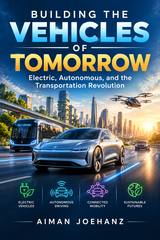 Building the Vehicles of Tomorrow · Vol. 21
A Practical Guide to the Transportation Reshaping Mobility
Table of contents
- Introduction
- Part I: The Problem
- Chapter 1: The Internal Combustion Problem
- Chapter 2: The Electric Vehicle Problem
- Chapter 3: The Autonomous Driving Problem
- Part II: The Solutions
- Chapter 4: Step-by-Step Guide to Electric Vehicle Ownership
- Chapter 5: Battery Technology Solutions
- Chapter 6: Autonomous Driving Solutions
- Chapter 7: Charging Innovation and Solutions
- Chapter 8: Practical Methods for EV Adoption
- Chapter 9: Tools and Resources
- Chapter 10: Checklists
- Chapter 11: Case Studies
- Chapter 12: Manufacturing and Materials Innovation
- Chapter 13: Safety Systems
- Chapter 14: Sustainability and the Circular Economy
- Chapter 15: V2X Connectivity Solutions
- Chapter 16: Where Vehicle Technology Goes Next
- Chapter 17: Frequently Asked Questions
- Chapter 18: Action Plan
- Chapter 19: Additional Problems
- Chapter 20: Battery Technology Deep Dive
- Chapter 21: Investment Guide
- Chapter 22: Additional Case Studies
- Chapter 23: Connected Vehicle Solutions
- Chapter 24: Fleet Management Solutions
- Chapter 25: Environmental Solutions
- Chapter 26: Policy Action Plan
- Chapter 27: Detailed EV Model Comparison
- Chapter 28: Autonomous Driving Technology Deep Dive
- Chapter 29: Future Mobility Models
- Chapter 30: More Frequently Asked Questions
- Chapter 31: Grid Integration Solutions
- Chapter 32: Case Study — Tesla Supercharger Network
- Chapter 33: Case Study — Battery Recycling at Redwood Materials
- Chapter 34: Manufacturing Innovations
- Chapter 35: Software and the Automotive Industry
- Chapter 36: Detailed Action Plans
 Building the AI Ethics & Safety of Tomorrow · Vol. 22
Every machine that makes decisions acquires a safety culture - the question is whether it is built deliberately or discovered at the incident. This guide dissects the ethics and safety discipline for machine intelligence as engineering: the anatomy of a working program, a four-family harm taxonomy, the specification problem of saying what we actually mean, the evaluation of systems that cannot be fully tested, red-teaming and the adversarial layers, explanation and interpretability, privacy and data dignity, governance that can say no, deployment boundaries and incident response, and the opera
Table of contents
- Introduction
- Chapter 1: The Discipline's Anatomy
- Chapter 2: The Harm Taxonomy
- Chapter 3: The Specification Problem
- Chapter 4: The Evaluation Problem
- Chapter 5: The Adversarial Discipline
- Chapter 6: Transparency and Explanation
- Chapter 7: Privacy and Data Dignity
- Chapter 8: Governance
- Chapter 9: Deployment and the Safety Case in Production
- Chapter 10: The Operating Discipline
 Building the AI Hallucinations of Tomorrow · Vol. 23
A machine can state a falsehood the way it states a fact: fluently, confidently, and with a perfect citation - which is why the fluent wrong answer is the machine era's signature failure. This guide treats hallucination as engineering: the mechanism (why systems that learn by prediction confabulate in their sparse regions), the five-family taxonomy, the cost domains from chat to courtroom to actuator, calibration and abstention, retrieval grounding and citation integrity, the verification stack, honest measurement, stakes-tiered deployment, and the operating program that assembles it. A struct
Table of contents
- Introduction
- Chapter 1: What Hallucination Precisely Is
- Chapter 2: The Mechanism
- Chapter 3: The Cost Taxonomy
- Chapter 4: Detection and Calibration
- Chapter 5: Grounding and Retrieval
- Chapter 6: The Human Defense
- Chapter 7: Engineering Against Falsehood
- Chapter 8: Measurement
- Chapter 9: Deployment
- Chapter 10: The Operating Discipline
 Building the Algorithms of Tomorrow · Vol. 24
Algorithms are civilization's recipes - the finite, provable procedures that sort the records, route the traffic, match the students, price the ads, and schedule the time of everyone waiting in every queue. This structural guide treats the algorithm as pure infrastructure: what makes one trustworthy (proof, termination, complexity), the load-bearing classics from hashing to shortest path, the mathematics of best and its objective-function politics, the honest approximation of the intractable, randomization as a building material, the learning procedures that traded proof for measurement, the m
Table of contents
- Introduction
- Chapter 1: What an Algorithm Precisely Is
- Chapter 2: The Toolbox
- Chapter 3: Optimization
- Chapter 4: Approximation and Heuristics
- Chapter 5: Randomization
- Chapter 6: Learning
- Chapter 7: Matching and Markets
- Chapter 8: Scheduling and Fairness
- Chapter 9: The Failure Modes
- Chapter 10: The Operating Discipline
 Building the Machine Intelligence of Tomorrow · Vol. 25
Machine intelligence is behavior acquired from data rather than written by hand - and that single fact moves the whole engineering discipline from construction to evidence. This structural guide treats intelligent systems as infrastructure: what precisely makes behavior machine intelligence, the anatomy of a modern inference system, the data discipline of corpora and their lineage, the training and tuning that forge and shape behavior, the evaluation battery that keeps it honest on your distribution at your stakes, the deployment envelope with its staged autonomy, the economics of a concentrat
Table of contents
- Introduction
- Chapter 1: What Machine Intelligence Precisely Is
- Chapter 2: The Road Here
- Chapter 3: The Anatomy of a Modern System
- Chapter 4: The Data Discipline
- Chapter 5: Training and Adaptation
- Chapter 6: Evaluation
- Chapter 7: Deployment
- Chapter 8: The Economics of Machine Intelligence
- Chapter 9: Security, Safety, and Governance
- Chapter 10: The Operating Discipline
 Building the Neural Networks of Tomorrow · Vol. 26
Neural networks are functions found by search rather than written by design - lattices of simple arithmetic units whose connection strengths were tuned by exposure to examples until the lattice did something useful. This structural guide treats the network as the infrastructure the decade stands on: what precisely a neural network is, the neuron, the layer, and the single function they compose into, the learning rule that grows behavior by error correction, architectures as recorded assumptions about the world, the data discipline that makes the corpus the true specification, scale and its hon
Table of contents
- Introduction
- Chapter 1: What a Neural Network Precisely Is
- Chapter 2: The Neuron, the Layer, and the Function
- Chapter 3: The Learning Rule
- Chapter 4: Architecture as Assumption
- Chapter 5: The Data Discipline
- Chapter 6: Scale and Its Costs
- Chapter 7: Training Operations
- Chapter 8: Evaluation and Generalization
- Chapter 9: Deployment and the Living Network
- Chapter 10: The Operating Discipline
 Building the Augmented Reality of Tomorrow · Vol. 27
Augmented reality is the discipline of putting computed things into the world you actually stand in - and holding them there: live compositing of virtual content into a live view of the physical world, registered to specific places, fast enough that the body accepts it. This structural guide treats the medium as infrastructure: what augmented reality precisely is and what its contract excludes, the anatomy of the six-stage pipeline and the time budget the body enforces, the registration discipline of world frames, anchors, drift, and relocalization, scene understanding as evidence about the wo
Table of contents
- Introduction
- Chapter 1: What Augmented Reality Precisely Is
- Chapter 2: The Anatomy of the Medium
- Chapter 3: Registration: The Discipline of World-Locking
- Chapter 4: Scene Understanding: Making the Pin World-Aware
- Chapter 5: Light and the Display Frontier
- Chapter 6: Authoring and the Anchored Layer of Content
- Chapter 7: The Interaction Grammar
- Chapter 8: Failure Modes of the Body
- Chapter 9: Deploying the Medium With an Envelope
- Chapter 10: The Operating Program
 Building the Metaverse of Tomorrow · Vol. 28
The metaverse is a persistent, shared, embodied world - a computed place that does not pause when you leave it, that strangers occupy at the same time you do, that you enter as a body rather than a username, and whose value compounds precisely because it is all three at once. This structural guide treats the metaverse as the construction project the decade keeps promising and keeps defunding: the four-clause contract and its impostors, the five stacks every working world must carry - presence, world, identity, economy, governance - the body's arbitration of presence, the world's constitutional
Table of contents
- Introduction
- Chapter 1: The Definition and the Contract
- Chapter 2: The Anatomy of a Metaverse
- Chapter 3: Presence and the Body's Arbitration
- Chapter 4: Worlds, State, and the Discipline of Persistence
- Chapter 5: Identity, the Self Across Worlds
- Chapter 6: Interoperability and the Standards Question
- Chapter 7: The Economy of Made Things
- Chapter 8: Social Architecture and the Governed Crowd
- Chapter 9: Deployment — The Metaverse in Working Life
- Chapter 10: The Operating Program
 Building the Mixed Reality of Tomorrow · Vol. 29
Mixed reality is the merge itself: a computed environment in which virtual and physical things share one coordinate space, act on each other through a live model of the room, and are addressed by one body with one grammar. This structural guide treats the blend as the construction project the demos keep promising and the rooms keep failing: the three-clause contract and its impostors, the room as first-class citizen and the model that keeps it honest, the passthrough pipeline and the comfort envelope the body audits, the four laws the virtual must obey - occlusion, collision, light, sound - an
Table of contents
- Introduction
- Chapter 1: The Definition and Its Contract
- Chapter 2: The Room's Live Model
- Chapter 3: The Honest Eye
- Chapter 4: The Laws the Virtual Obeys
- Chapter 5: The Body's Grammar
- Chapter 6: Anchors and the Blend's Memory
- Chapter 7: The Shared Room
- Chapter 8: Authoring the Hybrid
- Chapter 9: The Blend in Working Life
- Chapter 10: The Operating Program
 Building the Virtual Reality of Tomorrow · Vol. 30
Building the Immersive Worlds of Tomorrow
Table of contents
- Introduction
- Chapter 1: The Definition and Its Terms
- Chapter 2: The Anatomy of Presence
- Chapter 3: The Honest Body
- Chapter 4: The Rendering of the Believable
- Chapter 5: The Grammar of Hands, Gaze, and Voice
- Chapter 6: The Content Pipeline and the Authoring of Worlds
- Chapter 7: The Social Room
- Chapter 8: The Working Envelope
- Chapter 9: The Failure Modes
- Chapter 10: The Operating Program
- References
- About this Series
- Connect
 Building the Automation of Tomorrow · Vol. 31
Building the Self-Operating Systems of Tomorrow
Table of contents
- Introduction
- Chapter 1: The Definition
- Chapter 2: The Anatomy
- Chapter 3: The Senses
- Chapter 4: The Controller
- Chapter 5: The Actuators
- Chapter 6: The Exception
- Chapter 7: The Line
- Chapter 8: The Program
- Chapter 9: The Human
- Chapter 10: The Operating Program
- About this Series
- Connect
 Building the Autonomous Systems of Tomorrow · Vol. 32
Building the Self-Directing Machines of Tomorrow
Table of contents
- Introduction
- Chapter 1: The Definition
- Chapter 2: The World Model
- Chapter 3: The Senses of a Seeing System
- Chapter 4: The Planning Mind
- Chapter 5: The Motion: Rough Ground
- Chapter 6: The Learning Machine
- Chapter 7: The Containment: Safety for Systems That Cannot Be Interlocked
- Chapter 8: The Crew and the Swarm
- Chapter 9: The Human at the Edge
- Chapter 10: The Operating Program
- About this Series
- Connect
 Building the Cobots of Tomorrow · Vol. 33
Building the Collaborative Machines of Tomorrow
Table of contents
- Introduction
- Chapter 1: The Definition
- Chapter 2: The Anatomy
- Chapter 3: The Safety Machinery
- Chapter 4: The Senses of the Shared Space
- Chapter 5: The Gripper and the Tool
- Chapter 6: The Task, Divided
- Chapter 7: The Program
- Chapter 8: The Exception and the Contact
- Chapter 9: The Human's Half
- Chapter 10: The Cell and the Operating Program
- About this Series
- Connect
 Building the Drones of Tomorrow · Vol. 34
Building the Pilotless Aircraft of Tomorrow
Table of contents
- Introduction
- Chapter 1: The Definition
- Chapter 2: The Anatomy
- Chapter 3: The Lift and the Energy
- Chapter 4: The Stability
- Chapter 5: The Senses
- Chapter 6: The Mission
- Chapter 7: The Link
- Chapter 8: The Payload
- Chapter 9: The Human and the Airspace
- Chapter 10: The Fleet and the Operating Program
- About this Series
- Connect
- References
 Building the Robotics of Tomorrow · Vol. 35
A Practical Guide to the Technology Reshaping Industry, Labor, and Daily Life
Table of contents
- Introduction
- Chapter 1: The Definition
- Chapter 2: The Limits
- Chapter 3: The Mistakes
- Chapter 4: The Principles
- Chapter 5: The Build
- Chapter 6: The Deployment
- Chapter 7: The Actuator and the Sense
- Chapter 8: The Deployments
- Chapter 9: The Trial
- Chapter 10: The Decade Ahead
- About this Series
- Connect
 Building the Cryptocurrency of Tomorrow · Vol. 36
A Practical Guide to Digital Money, Trustless Systems, and the Future of Value
Table of contents
- Introduction
- Chapter 1: The Definition
- Chapter 2: The Honest Limits
- Chapter 3: The Classic Mistakes
- Chapter 4: The Foundations
- Chapter 5: The Build
- Chapter 6: The Deployment
- Chapter 7: The Deep Dive
- Chapter 8: The Deployments
- Chapter 9: The Audit
- Chapter 10: The Decade Ahead
- Connect
- About this Series
 Building the Decentralized Finance of Tomorrow · Vol. 37
A Practical Guide to Programmable Money, Open Markets, and the Future of Financial Services
Table of contents
- Introduction: The Bank in the Code
- Chapter 1: The Definition — What Decentralized Finance Is
- Chapter 2: The Honest Limits
- Chapter 3: The Classic Mistakes
- Chapter 4: The Foundations — The Market Mechanisms
- Chapter 5: The Build — Designing a Safe Practice
- Chapter 6: The Deployment — Running the Positions
- Chapter 7: The Deep Dive — A Position's Anatomy
- Chapter 8: The Deployments — Case Studies
- Chapter 9: The Audit
- Chapter 10: The Decade Ahead
- Connect
- About this Series
 Building the Smart Contracts of Tomorrow · Vol. 038
The anatomy, limits, failure record, design principles, build pipeline, production operations, internals, case studies, verification stack, and decade trajectory of self-executing agreements — the program deployed to a public network that enforces its own terms.
Table of contents
- Introduction
- Chapter 1: The Current State of Smart Contracts
- Chapter 2: Limitations — the Failure Modes of Today's Contracts
- Chapter 3: Common Mistakes in Smart Contract Projects
- Chapter 4: Foundational Principles of Smart Contract Design
- Chapter 5: Building Smart Contract Systems — the Step-by-Step Guide
- Chapter 6: Implementation Strategies for Production Smart Contract Systems
- Chapter 8: Case Studies: Real-World Smart Contract Deployments
- Chapter 9: Evaluating and Testing Smart Contract Systems
- Chapter 10: The Future of Smart Contracts
- Connect
- About this Series
 Building the 5G & 6G Networks of Tomorrow · Vol. 039
The anatomy, honest limits, failure record, design principles, build program, operations, internals, case studies, verification stack, and decade trajectory of the mobile network — the invisible utility whose fifth generation is being installed now and whose sixth is being drafted — from spectrum and cells to slices, cores, and the orbital layer above them.
Table of contents
- Introduction
- Chapter 2: What Breaks — the Honest Limits of Modern Networks
- Chapter 3: The Failure Record — Recurring Mistakes in Network Projects
- Chapter 4: Design Principles — Planning a Network That Holds
- Chapter 5: Building the Network — the Step-by-Step Program
- Chapter 6: Operations — Running a Production Network
- Chapter 7: The Deep Dive — Anatomy of the Radio Access Network and the Core
- Chapter 8: Case Studies — Composite Network Deployments
- Chapter 9: Verification — Testing, Standards, and the Audit of Claims
- Chapter 10: The Decade Ahead — the Road to the Sixth Generation
- Connect
- About this Series
 Building the Communication Systems of Tomorrow · Vol. 40
A communication system is the machine that moves meaning — the message, the path, the boundary, and the promise — and this structural guide builds every clause of it: the message as the unit of design and its contract; the path and its hidden dependencies; the signals, links, and physical budget; transport choices and their consequences; sessions, voice, and real-time media; messages that outlive connections through queues, idempotency, expiry, and store-carry-forward custody; identity, protection, and data boundaries; the honest operation of the promised service; end-to-end build and verifica
Table of contents
- Introduction: What Must Survive the Journey
- Chapter 1: The Message Is the Unit of Design
- Chapter 2: Follow the Path, Then Follow the Dependencies
- Chapter 3: Signals, Links, and the Physical Budget
- Chapter 4: Transport Choices and Their Consequences
- Chapter 5: Sessions, Voice, and Real-Time Media
- Chapter 6: Messages That Outlive Connections
- Chapter 7: Identity, Protection, and Data Boundaries
- Chapter 8: Operate the Service You Actually Promised
- Chapter 9: Build and Verify an End-to-End System
- Chapter 10: What Tomorrow Must Prove
- Connect
- About this Series
 Building the Computing of Tomorrow · Vol. 41
Computing is the layer beneath every application: the machines that obey stored instructions exactly, the memory hierarchy that decides their real speed, the operating systems that share one machine among many owners, and the virtualization that turns machines into software. Building the Computing of Tomorrow follows that layer from its founding papers to the metered services that rent it by the hour, then takes up the hardest truth of the modern estate: many machines acting as one system, which means ordering events across distances, choosing what a partition may break, and rehearsing failure
Table of contents
- Introduction: The Layer Beneath Every Application
- Chapter 1: The Instruction Is the Unit of Work
- Chapter 2: One Machine Faster Meets a Wall
- Chapter 3: The Memory Hierarchy Decides the Real Speed
- Chapter 4: One Machine, Many Owners
- Chapter 5: Machines That Are Made of Software
- Chapter 6: Compute Purchased as a Metered Service
- Chapter 7: Order Across Machines
- Chapter 8: The Partition Chooses for You
- Chapter 9: Failure as a Design Input
- Chapter 10: Governing the Compute Estate
- Connect
- About this Series
 Building the Digital Twins of Tomorrow · Vol. 42
A structural, vendor-neutral treatment of the digital twin discipline: the per-unit contract, the brownfield build and its schooling, the sensory thread and the shared heartbeat, the honesty ledgers, the simulation ahead, estates and seams, the working day, the failure modes, and the governance that keeps mirrors honest.
Table of contents
- Chapter 1: The Mirror That Earns Its Name
- Chapter 2: The Copy's Apprenticeship
- Chapter 3: The Sensory Thread
- Chapter 4: The Shared Heartbeat
- Chapter 5: The Honest Twin
- Chapter 6: The Simulation Ahead
- Chapter 7: Many Twins, One Estate
- Chapter 8: The Twin at Work
- Chapter 9: When Mirrors Diverge
- Chapter 10: Governing the Mirror
- About this Series
- Connect
 Building the Edge Computing of Tomorrow · Vol. 43
Edge computing is the discipline of the milliseconds the network cannot refund — computation moved to where the data is born, because light itself takes longer to make the round trip than the answer is allowed to take. This structural guide builds every clause of that placement discipline: the millisecond mandate and the two foundations of the word; the nearby computer and its honest limits; the fog's constitution and its tiers; the offloading decision computed from the arithmetic up; the carrier's edge and its equipment rooms; edge intelligence and the models that fit the room; the estate's o
Table of contents
- Introduction: The Placement Discipline
- Chapter 1: The Millisecond Mandate
- Chapter 2: The Nearby Computer
- Chapter 3: The Fog's Constitution
- Chapter 4: The Offloading Decision
- Chapter 5: The Carrier's Edge
- Chapter 6: Edge Intelligence
- Chapter 7: The Estate's Edge
- Chapter 8: The Working Edge
- Chapter 9: The Edge's Failures
- Chapter 10: The Honest Decade
- About this Series
- Connect
 Building the Electronics of Tomorrow · Vol. 44
Electronics is the substrate every other technology stands on, and this structural guide reads its decade honestly: the two laws that made the industry — Moore's economics and Dennard's physics — and the wall that ended the free ride; the industry roadmap read as a document, slopes and brackets included; the shrinking transistor's costs, tools, and honest yields; the packaging revolution that moved the design frontier off the die; the photonic crossover that prices copper against light; the wide-bandgap materials that out-specialized silicon; the fabs that became instruments of state policy; t
Table of contents
- Introduction: The Two Expirations
- Chapter 1: The Doubling Law
- Chapter 2: The Power Wall
- Chapter 3: The Roadmap's Own Words
- Chapter 4: The Shrinking Itself
- Chapter 5: The Package Revolution
- Chapter 6: The Light in the Machine
- Chapter 7: The Materials Beyond Silicon
- Chapter 8: The Fab as Strategy
- Chapter 9: Beyond the Switch
- Chapter 10: The Honest Decade
- Connect
- About this Series
 Building the Quantum Technology of Tomorrow · Vol. 45
The Engineering of Promises That Require Proof
Table of contents
- Introduction: The Two Claims
- Chapter 1: The Postulate Stack
- Chapter 2: The Algorithms That Matter
- Chapter 3: The Decoherence Budget
- Chapter 4: The Correction Tax
- Chapter 5: The Interim Era
- Chapter 6: The Migration Deadline
- Chapter 7: The Entanglement Network
- Chapter 8: The National Programs
- Chapter 9: The Simulation Dividend
- Chapter 10: The Honest Decade
- Connect
- About this Series
 Building the Semiconductors of Tomorrow · Vol. 46
A structural, vendor-neutral guide to the semiconductor industry: the tunable crystal, the junction and the gate, the grown wafer, the patterning craft, the yield doctrine, the fab's metabolism, the design stack, the memory branch, the map of concentration, and the honest decade ahead. No brand names, no expiring statistics, no forecasts dressed as facts: the anatomy, the failure modes, the economics, and the operating program a builder can actually run.
Table of contents
- Introduction: The Layer Beneath Everything
- Chapter 1: The Controllable Crystal
- Chapter 2: The Junction and the Gate
- Chapter 3: The Wafer's Biography
- Chapter 4: The Patterning Craft
- Chapter 5: The Yield Doctrine
- Chapter 6: The Fab's Metabolism
- Chapter 7: The Design Stack
- Chapter 8: The Memory Branch
- Chapter 9: The Map of Concentration
- Chapter 10: The Honest Decade
- Connect
- About this Series
 Building the Smart Home Technology of Tomorrow · Vol. 47
A structural, vendor-neutral guide to the smart home: the century of promises and landed definitions, the five-layer anatomy, the whisper networks that carry the reflexes, the sensor catalog and its fusion disciplines, the actuation layer and its cutoff lists, the rules engine as household judgment, the interfaces and their economics, the privacy ledger and hardening program, the honest payoffs on real tariffs, and the maintenance calendar that survives the decade. No brand names, no expiring statistics, no forecasts dressed as facts: the anatomy, the failure modes, the economics, and the oper
Table of contents
- Introduction: The House That Listens
- Chapter 1: The House That Was Promised
- Chapter 2: The Anatomy of a Responsive House
- Chapter 3: The Protocol Babel
- Chapter 4: Sensors and the Measured Room
- Chapter 5: Actuators and the Obedient House
- Chapter 6: The Hub and the Rules Engine
- Chapter 7: Voice, Walls, and the Interface Question
- Chapter 8: The Honest Camera
- Chapter 9: The Useful House
- Chapter 10: The Honest Decade at Home
- Connect
- About this Series
 Building the Software of Tomorrow · Vol. 48
A structural, vendor-neutral guide to software: the instruction and the machine, the tower of abstractions, the discipline of languages, the small set of algorithms that matter, the operating system as legislated sharing, the persistence layer, the network contract, the engineering craft and its maintenance majority, the attack surface, and the economics of the decade ahead. No brand names, no expiring statistics, no forecasts dressed as facts: the anatomy, the failure modes, the economics, and the operating program a builder can actually run.
Table of contents
- Introduction: The Machine That Obeys
- Chapter 1: The Instruction and the Machine
- Chapter 2: The Tower of Abstractions
- Chapter 3: Languages and Their Discipline
- Chapter 4: Algorithms and the Honest Limits
- Chapter 5: The Operating System and the Sharing of Time
- Chapter 6: The Persistence Layer
- Chapter 7: The Network and the Contract
- Chapter 8: The Engineering Discipline
- Chapter 9: The Attack Surface
- Chapter 10: The Economics and the Decade Ahead
- Connect
- About this Series
 Building the Telecommunications of Tomorrow · Vol. 49
A structural, vendor-neutral guide to telecommunications: the signal and its ceiling, the media that carry it, the packet doctrine, the stack of contracts, the access network, the cellular decades, the long haul and the maps it draws, the honest limits beneath every advertised number, the adversary and the survival engineering, and the money and the decade ahead. No brand names, no expiring statistics, no forecasts dressed as facts: the anatomy, the failure modes, the economics, and the operating program a buyer, builder, or official can actually run.
Table of contents
- Introduction: The Elimination of Distance
- Chapter 1: The Signal and the Channel
- Chapter 2: The Three Media
- Chapter 3: The Switch and the Packet
- Chapter 4: The Contract of Layers
- Chapter 5: The Access Network
- Chapter 6: The Cellular Decades
- Chapter 7: The Long Haul
- Chapter 8: Capacity and the Honest Limits
- Chapter 9: Trust, Interception, and Survival
- Chapter 10: The Money and the Decade Ahead
- Connect
- About this Series
 Building the Cyber Warfare of Tomorrow · Vol. 50
A structural, vendor-neutral guide to networked conflict: the definition that sorts crime from espionage from war, the terrain and its layers, the arsenal and its decay, the kill chain station by station, the defense in depth and its maintenance majority, the attribution estimate and its strands, the doctrine and its thresholds, the economics of attack and defense, the critical infrastructure and its physics, and the decade ahead. No brand names, no expiring statistics, no forecasts dressed as facts: the anatomy, the failure modes, the economics, and the operating program a builder, defender,
Table of contents
- Introduction
- Chapter 1: The Definition and Its Impostors
- Chapter 2: The Terrain
- Chapter 3: The Arsenal
- Chapter 4: The Kill Chain
- Chapter 5: The Defense in Depth
- Chapter 6: The Attribution Problem
- Chapter 7: The Doctrine
- Chapter 8: The Economics
- Chapter 9: The Critical Infrastructure
- Chapter 10: The Decade Ahead
- Connect
- About this Series
 Building the Defense Technology of Tomorrow · Vol. 51
A structural, vendor-neutral guide to engineered defense: the definition and its impostors, the terrain and its governing numbers, the arsenal read by effect and magazine, the engagement chain station by station, the defense in depth and its four reserves, the deterrence arithmetic, the command system and its degraded modes, the acquisition machine and its pathologies, the record's recurring shapes, and the decade ahead. No brand names, no expiring statistics, no forecasts dressed as facts: the anatomy, the failure modes, the economics, and the operating program a builder, officer, or analyst
Table of contents
- Introduction
- Chapter 1: The Definition and Its Impostors
- Chapter 2: The Terrain
- Chapter 3: The Arsenal
- Chapter 4: The Engagement Chain
- Chapter 5: The Defense in Depth
- Chapter 6: The Deterrence Arithmetic
- Chapter 7: The Command System
- Chapter 8: The Acquisition Machine
- Chapter 9: Composite Case Studies
- Chapter 10: The Decade Ahead
 Building the Drone Warfare of Tomorrow · Vol. 52
A structural, vendor-neutral guide to the drone war: the definition card and its impostors, the airframe's honest arithmetic, the payload priced by the sentence it supports, the tether and its four lost-link bets, the swarm's exchange ratios, the kill chain station by station, the layered defense and its ammunition problem, the human in and around the loop, the record's composites and discounts, and the decade ahead. No brand names, no expiring statistics, no forecasts dressed as facts: the anatomy, the failure modes, the economics, and the operating program a builder, officer, or analyst can
Table of contents
- Introduction
- Chapter 1: The Definition and Its Impostors
- Chapter 2: The Airframe and the Energy Budget
- Chapter 3: The Payload and the Mission
- Chapter 4: The Tether
- Chapter 5: The Swarm
- Chapter 6: The Kill Chain Flown from Above
- Chapter 7: The Counter-Drone Problem
- Chapter 8: The Human in the Loop
- Chapter 9: The Record
- Chapter 10: The Decade Ahead
- Connect
- About this Series
 Building the Military AI of Tomorrow · Vol. 53
A structural, vendor-neutral guide to the learned weapon: the definition and its impostors, the learning machine's arithmetic from training set to threshold, the sensing pipeline and its six failure shapes, the delegation box and its four clauses, the human in and around the loop priced as a component, the adversary's crafting economics, the swarm's consensus arithmetic, the verification regime that certifies maps instead of numbers, the record's promises and receipts, and the decade ahead in honest probabilities. No brand names, no expiring statistics, no forecasts dressed as facts: the anato
Table of contents
- Introduction
- Chapter 1: The Definition and Its Impostors
- Chapter 2: The Learning Machine and Its Arithmetic
- Chapter 3: Perception: The Sensing Pipeline and Its Failure Shapes
- Chapter 4: The Decision Machinery: Levels of Delegation
- Chapter 5: The Human in and around the Loop
- Chapter 6: The Adversary's Vote: Deception, Spoofing, and the Brittle Genius
- Chapter 7: The Collective: Swarms, Networks, and Consensus
- Chapter 8: Verification: Testing a System That Was Not Written
- Chapter 9: The Record: Promises, Procurement, and the Failure Ledger
- Chapter 10: The Decade Ahead, in Honest Probabilities
- Connect
- About this Series
 Building the 3D Printing of Tomorrow · Vol. 54
A structural, vendor-neutral guide to the machine that grows parts from files: the definition and its impostors, the four families and their joining physics, the material's temper from melt to cure, the slice and the toolpath as the part's working drawings, the failure shapes from first layer to finished surface, the arithmetic of builds and queues, the economics of crossing lines and hidden costs, the distributed factory's receipts and governance, the record's wins and graveyards, and the decade ahead in honest probabilities. No brand names, no expiring statistics, no forecasts dressed as fac
Table of contents
- Introduction
- Chapter 1: The Definition and Its Impostors
- Chapter 2: The Four Families
- Chapter 3: The Material's Physics
- Chapter 4: The Slice and the Toolpath
- Chapter 5: The Build's Failure Shapes
- Chapter 6: The Arithmetic of the Build
- Chapter 7: The Economics
- Chapter 8: The Distributed Factory
- Chapter 9: The Record
- Chapter 10: The Decade Ahead
- Connect
- About this Series
 Building the AgriTech of Tomorrow · Vol. 55
A structural, vendor-neutral guide to the stack that farms by the patch: the definition and its impostors, the field's honest arithmetic from variance to the water's portfolio, the sensing tower from soil probe to satellite, the prescription that turns measurement into machine instructions, the implements from guidance to robots, the seed as the stack's largest rate, the data commons and its ownership fight, the economics of margins and crossing lines, the record's wins and graveyards, and the decade ahead in honest probabilities. No brand names, no expiring statistics, no forecasts dressed as
Table of contents
- Introduction
- Chapter 1: The Definition and Its Impostors
- Chapter 2: The Field's Honest Arithmetic
- Chapter 3: The Sensing Stack
- Chapter 4: The Prescription
- Chapter 5: The Implements
- Chapter 6: The Seed
- Chapter 7: The Data Commons
- Chapter 8: The Economics
- Chapter 9: The Record
- Chapter 10: The Decade Ahead
- Connect
- About this Series
 Building the Chemicals of Tomorrow · Vol. 56
A structural, vendor-neutral guide to the industry that arranges atoms into the shapes that work: the definition and its impostors from structure to grade, the feedstocks and their founding bets, the reactor's contract between kinetics and thermodynamics, the separation's property arbitrages, the catalyst's living surface, the energy's floors and taxes from the pinch to the grid, the economics of margins, cycles, and crossing lines, the safety license and the fenceline community, the record's wins and graveyards, and the decade ahead in honest probabilities. No brand names, no expiring statist
Table of contents
- Introduction
- Chapter 1: The Definition and Its Impostors
- Chapter 2: The Feedstocks
- Chapter 3: The Reactor
- Chapter 4: The Separation
- Chapter 5: The Catalyst
- Chapter 6: The Thermodynamics and the Energy
- Chapter 7: The Economics
- Chapter 8: The Safety and the Environment
- Chapter 9: The Record
- Chapter 10: The Decade Ahead
- Connect
- About this Series
 Building the FinTech of Tomorrow · Vol. 57
A structural, vendor-neutral guide to the machinery that moves spendable value by moving records: the definition and its doubles from theater to machine, the ledger as the machine's ground and its close, the rail that moves the promise at authorization, clearing, settlement, and exception, the credit engine and the sorting of strangers on odds and lag, the automation layer and the terms that run themselves, the identity machinery and the loss budget behind every gate, the economics of the gap from fee stack to crossing lines, the license, the capital, and the run, the record read forward in co
Table of contents
- Introduction
- Chapter 1: The Definition and Its Doubles
- Chapter 2: The Ledger as the Ground
- Chapter 3: The Rail That Moves the Promise
- Chapter 4: The Credit Engine and the Sorting of Strangers
- Chapter 5: The Automation Layer and the Terms That Run Themselves
- Chapter 6: The Identity Machinery and the Loss Budget
- Chapter 7: The Economics of the Gap
- Chapter 8: The License, the Capital, and the Run
- Chapter 9: The Record, Read Forward
- Chapter 10: The Decade Ahead in Honest Odds
- Connect
- About this Series
 Building the Finance Systems of Tomorrow · Vol. 58
A structural, vendor-neutral guide to the machinery that keeps the world's agreed record of positions and settles the changes with finality: the definition and the doubles it collects from apps to currencies, the ledger of record with its double entry, cutoffs, and counter-fact discipline, the clearing net and the concentrated trust that stands between, the settlement moment and the law of finality it rests on, the market plumbing that turns trades into ownerships, the reconciliation craft that manufactures agreement daily, the risk stack of capital, liquidity, and buffers, the regulation mach
Table of contents
- Introduction
- Chapter 1: The Definition and the Doubles It Collects
- Chapter 2: The Ledger of Record
- Chapter 3: Clearing and the Net
- Chapter 4: Settlement and Finality
- Chapter 5: The Market's Plumbing
- Chapter 6: The Reconciliation Craft
- Chapter 7: The Risk Stack
- Chapter 8: The Regulation Machine
- Chapter 9: The Record, Read Forward
- Chapter 10: The Decade Ahead, Priced Honestly
- Connect
- About this Series
 Building the Industrial Equipment of Tomorrow · Vol. 59
A structural, vendor-neutral guide to the machinery that does the world's physical work: the definition and the impostors it collects, the frame and its load paths, the prime movers that turn fuel and current into force, the transmission and the control loops that shape that force, the working end that touches the material, the factory line and its choreography, the field machines that move earth and raise steel, the wear and the oil and the maintenance craft that keep the iron honest, the safety machine built from the accident record, and the decade ahead priced in honest odds. No brand names
Table of contents
- Introduction
- Chapter 1: The Definition and the Doubles the Market Sells
- Chapter 2: The Frame and the Joints
- Chapter 3: The Prime Movers
- Chapter 4: The Transmission and the Control Loops
- Chapter 5: The Working End
- Chapter 6: The Factory Line
- Chapter 7: The Field Machines
- Chapter 8: The Wear and the Oil
- Chapter 9: The Safety Machine
- Chapter 10: The Record and the Decade Ahead
- Connect
- About this Series
Building the Manufacturing Systems of Tomorrow · Vol. 60
A structural, vendor-neutral guide to the systems that make the world's things: the definition and the impostors it collects, the part and its tolerance as a contract, the process routes from material to shape, the machine tools that make the machines, the fixtures and the handling that hold the work, the line and its takt, the flow and the inventory, the control stack from signal to schedule, the quality machine built from variation, and the decade ahead priced in honest odds. No brand names, no expiring statistics, no forecasts dressed as facts: the anatomy, the failure modes, the economics,
Table of contents
- Introduction
- Chapter 1: What a Manufacturing System Is, and What It Is Not
- Chapter 2: The Part and the Tolerance
- Chapter 3: The Process Routes, or From Material to Shape
- Chapter 4: The Machine Tools, or the Machines That Make Machines
- Chapter 5: The Fixtures and the Handling, or Holding and Moving the Work
- Chapter 6: The Line and Its Takt, or the Choreography of Assembly
- Chapter 7: The Flow and the Inventory, or the Physics of Queues
- Chapter 8: The Control Stack, or the Factory's Nervous System
- Chapter 9: The Quality Machine, or the Statistics That Keep the Promise
- Chapter 10: The People and the Record, and the Decade Ahead
- Connect
- About this Series
Building the Materials of Tomorrow · Vol. 61
A structural, vendor-neutral guide to the substances the engineered world is built from: the definition and its impostors, the bond ledger and the lattice, the defects that make strong materials strong, the four storerooms of metals, ceramics, polymers, and composites, the strengthening purchases and the processing biographies, the testing pyramid that builds trust between strangers, the failure modes read from broken surfaces, the selection charts and the circular ledger, and the decade ahead priced in honest odds. No brand names, no expiring statistics, no forecasts dressed as facts: the ana
Table of contents
- Introduction
- Chapter 1: What a Material Is, and What It Is Not
- Chapter 2: The Bonds and the Lattice, or Why the Solid Holds
- Chapter 3: The Defects, or Why Strong Stuff Is Really Strong
- Chapter 4: The Four Storerooms, or Metals, Ceramics, Polymers, and the Mixtures
- Chapter 5: The Strengthening Hand, or What Processing Buys
- Chapter 6: The Numbers That Buy Trust, or Testing
- Chapter 7: The Broken Surface, or How Materials Fail
- Chapter 8: Mixtures by Design, or the Composites and Their Architectures
- Chapter 9: Choosing, or the Charts That Decide
- Chapter 10: The Decade Ahead, and the People Who Read It
- References
- About this Series
- Connect
Building the Mining of Tomorrow · Vol. 62
A structural, vendor-neutral guide to the mining industry: the definition and its impostors, the exploration arithmetic that turns a hunch into a reserve, the mine plan and its two geometries, the drilling and blasting and ground control, the haulage and the mill, the concentration chemistry, the tailings and water ledgers, the automation and the permission stack, the closure doctrine, and the decade ahead priced in honest odds. No brand names, no expiring statistics, no forecasts dressed as facts: the anatomy, the failure modes, the economics, and the operating questions a builder can actuall
Table of contents
- Introduction
- Chapter 1: What Mining Is, and What It Is Not
- Chapter 2: The Finding, or Exploration and the Arithmetic of Confidence
- Chapter 3: The Plan, or Grade, Tonnage, and the Two Geometries
- Chapter 4: The Breaking, or Drilling, Blasting, and Ground Control
- Chapter 5: The Moving and the Milling, or Haulage and Comminution
- Chapter 6: The Separating and the Keeping, or Concentration, Tailings, and Water
- Chapter 9: The Ending, or Closure, Reclamation, and the Designed End-State
- Chapter 10: The Decade Ahead, in Honest Odds
- References
- About this Series
- Connect
Building the Battery Technology of Tomorrow · Vol. 63
A structural, vendor-neutral guide to battery technology: the sealed argument's definition and its impostors, the cell's four rooms and the families of chemistry, the gigafactory's dry patience, the fade's two clocks and the runaway's dragon, the pack's chain of command, the vehicle's and the grid's two markets, the charging handshake, the cost curve's decomposition and the minerals' geography, and the frontier priced in honest odds. No brand names, no expiring statistics, no forecasts dressed as facts: the anatomy, the failure modes, the economics, and the operating questions a builder can ac
Table of contents
- Introduction
- Chapter 1: The Definition and Its Impostors
- Chapter 2: The Anatomy of the Cell
- Chapter 3: The Birth of the Machine, Manufacturing
- Chapter 4: The Performance and the Fading
- Chapter 5: The Pack, the Management, and the Safety
- Chapter 6: The Vehicle, the Traction Market
- Chapter 7: The Grid, the Stationary Market
- Chapter 8: The Charging and the Handshake
- Chapter 9: The Economics and the Minerals
- Chapter 10: The Frontier and the Decade
- References
- About this Series
- Connect
 Building the Biodiversity of Tomorrow · Vol. 64
A structural, vendor-neutral guide to biodiversity: the three-layer definition and its measures, the inventory and the naming machine, the geography of variety and its seams, the making of species and their tempos, the functions variety performs as living infrastructure, the losses and their drivers, the instruments of watching from the long grid to the sound census, the genomic turn and the reading of the library of life, the working conservation from reserves to the farm matrix, and the steward's program with its institutions, funding and failure modes. No brand names, no expiring statistics
Table of contents
- Introduction
- Chapter 1: The Definition and Its Layers
- Chapter 2: The Count and the Inventory
- Chapter 3: The Geography of Variety
- Chapter 4: The Making of Species
- Chapter 5: The Functions of Variety
- Chapter 6: The Losses
- Chapter 7: The Instruments of Watching
- Chapter 8: The Genomic Turn
- Chapter 9: The Working Conservation
- Chapter 10: The Steward's Program
- References
- Connect
- About this Series