Building Tomorrow's People
Career skills for the machine era — one profession per volume, from consultants to procurement managers. By Aiman JoeHanz.
Kofi · Payhip · Gumroad — every volume with its own product link
The books — 60 volumes
 Building Tomorrow's Business Consultants · Vol. 1
A client's machines can now draft the analysis, populate the framework, and write the fluent recommendation - which is why the advisory profession's information products are finished and its judgment products are just beginning. This guide treats the consultant's trade as engineering: the role defined exactly (diagnosis, recommendation, implementation support, accountability), what the client actually buys (pattern, perspective, performance, permission), the diagnostic discipline that finds the real problem underneath the stated one, the recommendation as a contract with options, a signed pref
Table of contents
- Introduction
- Chapter 1: What the Consultant Precisely Is
- Chapter 2: The Product — What the Client Actually Buys
- Chapter 3: The Diagnosis Discipline
- Chapter 4: The Recommendation
- Chapter 5: The Machine in the Middle
- Chapter 6: The Changed Client
- Chapter 7: The Economics of Advice
- Chapter 8: Formation — Building the Advisor
- Chapter 9: Ethics and Independence
- Chapter 10: The Operating Discipline
 Building Tomorrow's CEOs · Vol. 2
The machines have automated the chief executive's routine products - the summaries, the reviews, the polished presentations - and what remains is what the office always actually was: the undivided judgment and the undivided accountability. This guide treats the CEO's office as an operating discipline: the four duties that define the role (direction, allocation, leaders, signature), the judgment portfolio of six decision categories that cannot be delegated, the information environment built against the funnel that edits every report, capital allocation in three currencies, the bench of leaders
Table of contents
- Introduction
- Chapter 1: The Office and the Person
- Chapter 2: The Judgment Portfolio
- Chapter 3: The Information Environment
- Chapter 4: Capital Allocation as the Core Discipline
- Chapter 5: The Top Team
- Chapter 6: The Board and the Accountabilities
- Chapter 7: Strategy in the Machine Era
- Chapter 8: The Operating Cadence
- Chapter 9: Formation
- Chapter 10: The Operating Discipline
 Building Tomorrow's Entrepreneurs · Vol. 3
The folklore teaches the founding as a story - the spark, the leap, the exit - and the record keeps showing something else: a decade of decisions, each with its own evidence, failure modes, and instruments. This guide treats the entrepreneur's whole arc as an operating discipline: the founding decision made deliberately through the motive, position, and fit audits; the idea tested before it is built on the evidence ladder; the co-founder chosen by protocol and the founders' agreement argued while it is cheap; the first customer read as evidence, priced honestly, and served into a reputation; t
Table of contents
- Introduction
- Chapter 1: The Founding Decision
- Chapter 2: The Idea and the Evidence
- Chapter 3: The Co-Founder and the Early Team
- Chapter 4: The First Customer
- Chapter 5: The Capital Journey
- Chapter 6: The Build Discipline
- Chapter 7: The Scaling Decision
- Chapter 8: The Founder's Evolving Role
- Chapter 9: The Hard Times
- Chapter 10: The Exit and the Aftermath
 Building Tomorrow's Executives · Vol. 4
The executive layer is the most expensive leadership in the organization and the least taught: the roles between the chief executive and the work, mostly filled by promotion for excellence at the previous role, and left to learn the actual profession by folklore. This guide treats the executive as a discipline rather than a status: the functional domain run as a system - strategy, resources, bench, operations, culture - rather than a workload; the chief executive relationship run on a stated operating agreement and candor at its hardest setting; the peer layer run as the organization's integra
Table of contents
- Introduction
- Chapter 1: The Executive Layer
- Chapter 2: The Functional Domain
- Chapter 3: Managing Up
- Chapter 4: The Peer Layer
- Chapter 5: Leading Leaders
- Chapter 6: The Information Environment
- Chapter 7: Executive Judgment
- Chapter 8: Presence and Authority
- Chapter 9: The Path In
- Chapter 10: The Arc Out
 Building Tomorrow's HR Leaders · Vol. 5
The people function is the organization's largest investment and its least taught discipline: the leaders who hold the talent, performance, rewards, culture, and employee experience as their domain, mostly promoted from the administration the caricatures describe, and left to fight the credibility problem the history earned. This guide treats the people function as an executive domain rather than a department: the workforce planned as a designed system - demand translated from the strategy, supply inventoried honestly, and the gap closed by the deliberate route mix of building, buying, and bor
Table of contents
- Introduction
- Chapter 1: The People Function
- Chapter 2: The People Strategy
- Chapter 3: The Talent Engine
- Chapter 4: The Development System
- Chapter 5: Performance and Rewards
- Chapter 6: Culture and Employee Experience
- Chapter 7: The People Data
- Chapter 8: The Labor and the Law
- Chapter 9: The HR Leader's Standing
- Chapter 10: The Operating Discipline
 Building Tomorrow's Leaders · Vol. 6
Leadership is the most common job in every organization and the least taught: the team leader, mostly promoted for excellence at the previous work and left to lead by folklore - the myth of the born leader, the armor of the always-certain, the calendar consumed by the management the machines are absorbing. This guide treats leadership as a craft rather than a gift: the trust built on the evidence - the character's predictability, the fairness's consistency, the vulnerability held at the professional's line; the clarity that is the leader's own decisions made ambient - the priorities ranked wit
Table of contents
- Introduction
- Chapter 1: The Leadership Work
- Chapter 2: The Leader's Foundation
- Chapter 3: Clarity and Direction
- Chapter 4: The Team's Design
- Chapter 5: The People's Growth
- Chapter 6: The Team's Culture
- Chapter 7: Judgment and Decisions
- Chapter 8: Change and Crisis
- Chapter 9: The Leader's Own Energy
- Chapter 10: The Leadership Path
 Building Tomorrow's Managers · Vol. 7
Management is the work every organization runs on and the craft the folklore has cheapened: the manager, mostly promoted for excellence at the previous work and left to operate by folklore - the bureaucrat's form-processing, the boss's instruction-issuing, the calendar consumed by the mechanics the machines are absorbing. This guide treats management as an operating craft rather than a title: the plan held as the operation's current theory - the goals decomposed into results the members can own, the resource map priced at the capacity's truth, the revision run at the rhythm the reality argues;
Table of contents
- Introduction
- Chapter 1: The Management Work
- Chapter 2: The Plan's Architecture
- Chapter 3: The Work's Design
- Chapter 4: The Performance's Discipline
- Chapter 5: The Operating Cadence
- Chapter 6: The Staffing's Craft
- Chapter 7: The Allocation's Judgment
- Chapter 8: The Machine-Era Manager
- Chapter 9: The Middle's Weight
- Chapter 10: The Manager's Path
 Building Tomorrow's Operations Managers · Vol. 8
Operations is the discipline the folklore misreads in two directions at once: the clerk's version (the counter of units, the filler of logs, the chaser of status) and the hero's version (the expeditor, the all-nighter, the rescue artist whose operation produces instability dressed as dedication). This structural guide treats the operations manager as the keeper and interpreter of the conversion system - the flow's anatomy (throughput, dependability, cost, safety, ranked in writing); the pulse's legibility (the lexicon, the pairing, the cadence, the tail's reading); the bottleneck's discipline
Table of contents
- Introduction
- Chapter 1: The Flow's Keeper
- Chapter 2: The Pulse
- Chapter 3: The Bottleneck
- Chapter 4: The Queue
- Chapter 5: The Failure
- Chapter 6: The Variance
- Chapter 7: The Plan's Promise
- Chapter 8: The Flow's Geography
- Chapter 9: The Machine in the Loop
- Chapter 10: The Operating Program
- Building Tomorrow's People
- Connect
 Building Tomorrow's Supply Chain Managers · Vol. 13
Supply chain management is the discipline the folklore misreads in two directions at once: the cost-cutter's version (the chain as plumbing between the real events of making and selling, its manager a negotiator of freight rates, judged by how little the plumbing costs) and the firefighter's version (the chain as an emergency service, its manager the heroic expeditor, celebrated in crises the same neglect produced). This structural guide treats the supply chain manager as the chain keeper - the keeper of the relay of promises that crosses company lines through a network the company owns only a
Table of contents
- Introduction: The Chain Keeper
- Chapter 1: The Chain Keeper
- Chapter 2: Demand's Honesty
- Chapter 3: The Network's Design
- Chapter 4: The Buffer's Arithmetic
- Chapter 5: The Supplier's Craft
- Chapter 6: The Risk Ledger
- Chapter 7: The Physical Flow
- Chapter 8: The Data Spine
- Chapter 9: The Machine's Chain
- Chapter 10: The Operating Program
- Connect
- Building Tomorrow's People
 Building Tomorrow's Communicators · Vol. 14
Communication is not the art of saying things well. It is the craft of building the right understanding in other people's heads, and answering for what the words construct. Building Tomorrow's Communicators, the nineteenth volume of the Building Tomorrow's People series, defines the communicator honestly: the meaning's keeper, not the message's decorator. The book names the audience's grain and the inventory taken before every draft; the message's architecture, from the one idea to the load-bearing sentence; the listening half of the contract no message can skip; the truth grammars of the diff
Table of contents
- Introduction: The Meaning's Keeper
- Chapter 1: The Honest Definition
- Chapter 2: The Audience's Grain
- Chapter 3: The Message's Architecture
- Chapter 4: The Listening Half
- Chapter 5: The Difficult Conversation
- Chapter 6: The Written Word
- Chapter 7: The Spoken Word
- Chapter 8: The Crisis
- Chapter 9: The Machine's Message
- Chapter 10: The Operating Program
- Connect
- Building Tomorrow's People
 Building Tomorrow's Procurement Managers · Vol. 14
Procurement is the discipline the folklore misreads in two directions at once: the clerk's version (the purchase order's processor, the form's gatekeeper, the function the business routes around) and the dealmaker's version (the negotiator as hunter, the savings as trophies, the supplier as prey). This structural guide treats the procurement manager as the keeper of the boundary where the organization's money meets the outside world's supply: the spend's legibility (the map, the cube, the managed share, the demand's other half); the supplier base as portfolio (the four quadrants, the partnersh
Table of contents
- Introduction
- Chapter 1: The Contract's Keeper
- Chapter 2: The Spend
- Chapter 3: The Supplier
- Chapter 4: The Specification
- Chapter 5: The Tender
- Chapter 6: The Price
- Chapter 7: The Contract
- Chapter 8: The Risk
- Chapter 9: The Machine's Buy
- Chapter 10: The Operating Program
- Building Tomorrow's People
- Connect
 Building Tomorrow's Digital Marketers · Vol. 15
Marketing is the discipline the folklore misreads in two directions at once: the broadcaster's version (the loudest megaphone wins, the marketer a spender of budgets and a maker of noise, judged by impressions) and the growth hacker's version (the metrician's magic, dark patterns and vanity dashboards, growth celebrated in proportion to the churn it hides). This structural guide treats the digital marketer as the demand's keeper - the person who discovers, names, and serves the demand that already exists, and answers for the match between the promise made in public and the product that arrives
Table of contents
- Introduction: The Demand's Keeper
- Chapter 1: The Honest Definition
- Chapter 2: The Market's Evidence
- Chapter 3: The Positioning
- Chapter 4: The Offer's Architecture
- Chapter 5: The Content's Compound
- Chapter 6: The Paid Channel's Arithmetic
- Chapter 7: The Brand's Patience
- Chapter 8: The Retention Half
- Chapter 9: The Machine's Marketer
- Chapter 10: The Operating Program
- Connect
- Building Tomorrow's People
 Building Tomorrow's Influencers · Vol. 16
Influence is the craft the folklore misreads in two directions at once: the celebrity's version (the follower count is the asset, the influencer a personality with a camera, judged by reach) and the cynic's version (the grifter's game, engagement bought and belief farmed, success measured in proportion to the audience it misleads). This structural guide treats the influencer as the trust's keeper - the person who has earned, in public, the standing to be believed about something specific, and who answers for what that belief moves people to do: the honest definition (the two folklore pictures,
Table of contents
- Introduction: The Trust's Keeper
- Chapter 1: The Honest Definition
- Chapter 2: The Audience's Evidence
- Chapter 3: The Niche and the Perimeter
- Chapter 4: The Portfolio's Compound
- Chapter 5: The Platform's Physics
- Chapter 6: The Community's Half
- Chapter 7: The Voice's Consistency
- Chapter 8: The Monetization's Honesty
- Chapter 9: The Machine's Influencer
- Chapter 10: The Operating Program
- Connect with the Series
- The Building Tomorrow's People Series
 Building Tomorrow's Negotiators · Vol. 17
Negotiation is the discipline the folklore misreads in two directions at once: the haggler's version (every table a battlefield, the negotiator a combatant who wins by extracting concessions, judged by the size of the other side's defeat) and the pleaser's version (the fight to be feared, the conflict avoided at any cost, agreement bought with capitulation and called a win). This structural guide treats the negotiator as the agreement's keeper - the person who engineers promises two sides can keep, and who answers for what the deal does after the signature: the honest definition (the two folkl
Table of contents
- Introduction
- Chapter 1: The Honest Definition
- Chapter 2: The Preparation's Evidence
- Chapter 3: The Table's Physics
- Chapter 4: The Interests' Map
- Chapter 5: The Leverage's Truth
- Chapter 6: The Relationship's Half
- Chapter 7: The Cross-Culture's Grammar
- Chapter 8: The Difficult Table
- Chapter 9: The Machine's Negotiator
- Chapter 10: The Operating Program
- Connect
- Building Tomorrow's People
 Building Tomorrow's Public Speakers · Vol. 18
Public speaking is the discipline the folklore misreads in two directions at once: the showman's version (the speech as a performance, the speaker an entertainer on a stage, judged by the applause's volume and the standing ovation's length) and the terrified version (the speech as an ordeal, the podium a predator, the craft a talent some people are born with and the rest are wise to avoid at any cost). This structural guide treats the speaker as the room's keeper - the person who gathers a room's attention, converts it into understanding the audience carries out the door, and answers for what
Table of contents
- Introduction
- Chapter 1: The Honest Definition
- Chapter 2: The Room's Evidence
- Chapter 3: The Message's Architecture
- Chapter 4: The Story's Instrument
- Chapter 5: The Delivery's Physics
- Chapter 6: The Fear's Honest Physics
- Chapter 7: The Difficult Room
- Chapter 8: The Virtual Stage
- Chapter 9: The Machine's Speaker
- Chapter 10: The Operating Program
- Connect
- Building Tomorrow's People
 Building Tomorrow's Sales Leaders · Vol. 19
Selling is the only profession whose work product is a daily, recorded no — and whose folklore, the closer and the waiter alike, still crowns the transaction as the job. This volume treats the sales leader as the revenue's keeper: the person who engineers a system where customers choose to buy, stay, and return, and who answers for what the sale does after the invoice. Ten chapters build the working machine — the buyer's evidence (research before outreach, qualification on facts), the conversation's architecture (the excavation, the frame, the close that is walked through rather than pushed),
Table of contents
- Introduction
- Chapter 1: The Honest Definition
- Chapter 2: The Buyer's Evidence
- Chapter 3: The Conversation's Architecture
- Chapter 4: The Proof's Instrument
- Chapter 5: The Numbers' Physics
- Chapter 6: The Quota's Honest Physics
- Chapter 7: The Difficult Buyer
- Chapter 8: The Digital Stage
- Chapter 9: The Machine's Seller
- Chapter 10: The Operating Program
- Connect
- Building Tomorrow's People
 Building Tomorrow's AI Engineers · Vol. 20
The machines got fluent. Someone still has to decide what they are worth. Every organization now has a machine that will answer any question it can be asked — in confident prose, at the price of electricity, with no sense of what it does not know. The AI engineer is the professional who stands between that fluency and the decisions it is about to drive, and the folklore about the job is wrong twice. The wizard myth says the work is oracle-hood: summoning intelligence from arithmetic, exempt from audit. The obituary myth says the work is glue: tuning mechanisms the machines have absorbed, awai
Table of contents
- Introduction
- Chapter 1: The Honest Definition
- Chapter 2: The Problem's Excavation
- Chapter 3: The Data's Quarry
- Chapter 4: The Evaluation's Instrument
- Chapter 5: The Model's Honest Physics
- Chapter 6: The Deployment's Physics
- Chapter 7: The Failure's Anatomy
- Chapter 8: The Room's Evidence
- Chapter 9: The Machine's Builder
- Chapter 10: The Operating Program
- Connect
- Building Tomorrow's People
 Building the AI Engineer of Tomorrow · Vol. 21
A Practical Guide to the People Building Intelligent Systems
Table of contents
- Introduction
- Chapter 1: The Current State of AI Engineering
- Chapter 2: Limitations and Challenges of Today's AI Engineers
- Chapter 3: Common Mistakes AI Engineers Make
- Chapter 4: Foundational Principles of AI Engineering
- Chapter 5: The Step-by-Step Guide to Building AI Systems
- Chapter 6: Implementation Strategies for Production AI Systems
- Chapter 7: Technology Deep Dive: The AI Engineering Stack
- Chapter 8: Case Studies: Real-World AI Engineering
- Chapter 9: Evaluating and Testing AI Systems
- Chapter 10: The Future of AI Engineering
- Chapter 11: Action Plan: Building Your AI Engineering Practice
- Chapter 12: Advanced Topics: MLOps, Safety, and Governance
- Chapter 13: Building an AI Engineering Team
- Frequently Asked Questions
- Glossary
- Bibliography
- Appendix A: The AI Engineer's Technical Stack
- Appendix B: MLOps Reference Architecture
- Appendix C: AI Safety, Ethics, and Governance
- Appendix D: Building an AI Engineering Team
- Appendix E: AI Engineering Case Studies
- Appendix F: Production AI System Design
- Appendix G: Extended FAQ
- Appendix H: Best Practices Summary
- Appendix I: Quick Reference Cards
- Appendix J: The Future of AI Engineering
- Appendix K: Glossary Supplement
- Appendix L: The AI Engineer's Toolkit
- Index
 Building Tomorrow's Coaches · Vol. 21
**What if the session was never the product?** The coaching industry sells two pictures. One is the guru: the oracle with a framework for every life, priced like surgery, marketed by transformation stories nobody can audit. The other is the cheerleader: the paid encouragement, the accountability accessory, the warm hour that changes nothing by Monday. Both cartoons share one wrong belief — that the room is the product. The room was never the product. The client's conviction is. This is the twenty-first volume of Building Tomorrow's People, and it gives the coaching trade the working treatmen
Table of contents
- Introduction
- Chapter 1: The Honest Definition
- Chapter 2: The Person's Evidence
- Chapter 3: The Question's Instrument
- Chapter 4: The Change's Physics
- Chapter 5: The Session's Architecture
- Chapter 6: The Difficult Client
- Chapter 7: The Progress's Arithmetic
- Chapter 8: The Digital Stage
- Chapter 9: The Machine's Coach
- Chapter 10: The Operating Program
- Connect
- Building Tomorrow's People
 Building the CEO of Tomorrow · Vol. 22
A Practical Guide to AI Leadership in the C-Suite
Table of contents
- Introduction
- Chapter 1: The Current State of AI in the C-Suite
- Chapter 2: Limitations and Risks of AI for CEOs
- Chapter 3: Common Mistakes CEOs Make with AI
- Chapter 4: Foundational Principles of AI Leadership
- Chapter 5: The Step-by-Step Guide to AI Strategy
- Chapter 6: Implementation Strategies for AI in the Organization
- Chapter 7: Technology Deep Dive: What CEOs Need to Understand
- Chapter 8: Case Studies: CEOs and AI
- Chapter 9: Evaluating AI Investments
- Chapter 10: The Future of AI Leadership
- Chapter 11: Action Plan: The CEO's AI Roadmap
- Chapter 12: Advanced Topics: AI Ethics, Governance, and Board Management
- Chapter 13: Building an AI-Ready Organization
- Frequently Asked Questions
- Glossary
- Bibliography
- Appendix A: The CEO's AI Technology Stack
- Appendix B: The CEO's AI Strategy Framework
- Appendix C: AI Governance for the C-Suite
- Appendix D: Building an AI-Ready Organization
- Appendix E: CEO Case Studies in AI Leadership
- Appendix F: AI Investment and ROI for CEOs
- Appendix G: Extended FAQ for CEOs
- Appendix H: The CEO's AI Communication Playbook
- Appendix I: Best Practices for the AI-First CEO
- Appendix J: Quick Reference Cards
- Appendix K: The Future of AI Leadership
- Appendix L: Best Practices Checklist
- Appendix M: The CEO's AI Decision Framework
- Appendix N: Glossary Supplement
- Appendix O: Extended Index
- Appendix P: The CEO's AI Commandments
- Appendix Q: Quick Reference Index
- Appendix R: Resources for the AI-First CEO
 Building Tomorrow's Content Creators · Vol. 22
The creator economy sells a lottery and hides a treadmill - the overnight channel on one side, the daily posting that cannot stop on the other. Both share one wrong belief: that the audience is a number to be captured. This twenty-second volume of Building Tomorrow's People gives the content trade its working treatment: the standing relationship with a specific public identified as the real asset; the promise made, kept, and sealed; the formats played as instruments with their own physics; the retention curve as the only honest compliment - all in the season the machines made the commodity lay
Table of contents
- Introduction
- Chapter 1: The Honest Definition
- Chapter 2: The Work's Instrument
- Chapter 3: The Audience's Evidence
- Chapter 4: The Platform's Physics
- Chapter 5: The Money's Ledger
- Chapter 6: The Machine's Flood
- Chapter 7: The Difficult Trades
- Chapter 8: The Growth's Arithmetic
- Chapter 9: The Operating Program
- Chapter 10: The Practitioner's Path
- Connect
- Building Tomorrow's People
 Building the Entrepreneur of Tomorrow · Vol. 23
A Practical Guide to Building AI-Driven Ventures
Table of contents
- Introduction
- Chapter 1: The Current State of Entrepreneurship in the AI Era
- Chapter 2: Limitations and Challenges for AI-Era Entrepreneurs
- Chapter 3: Common Mistakes AI-Era Entrepreneurs Make
- Chapter 4: Foundational Principles for AI-Era Entrepreneurs
- Chapter 5: The Step-by-Step Guide to Building an AI Startup
- Chapter 6: Implementation Strategies for AI Startups
- Chapter 7: Technology Deep Dive: The AI Startup Stack
- Chapter 8: Case Studies: AI-Era Entrepreneurs
- Chapter 9: Evaluating AI Startup Success
- Chapter 10: The Future of AI Entrepreneurship
- Chapter 11: Action Plan: Building Your AI Startup
- Chapter 12: Advanced Topics: Fundraising, Legal, and Risk Management
- Chapter 13: Building an AI Startup for the Long Term
- Frequently Asked Questions
- Glossary
- Bibliography
- Appendix A: The AI Entrepreneur's Technology Stack
- Appendix B: Fundraising for AI Startups
- Appendix C: AI Startup Business Models
- Appendix D: Building the AI Startup Team
- Appendix E: AI Startup Go-To-Market Strategies
- Appendix F: Legal and IP for AI Startups
- Appendix G: AI Startup Case Studies — Detailed Analysis
- Appendix H: The AI Entrepreneur's Playbook
- Appendix I: AI Entrepreneurship Myths and Realities
- Appendix J: The AI Entrepreneur's Risk Management Guide
- Appendix K: The Future of AI Entrepreneurship
- Appendix L: Best Practices Checklist for AI Entrepreneurs
- Appendix M: Quick Reference Cards
- Appendix N: The AI Entrepreneur's Reading List
- Appendix O: AI Startup Failure Modes and Lessons
- Appendix P: The Entrepreneur's AI Commandments
- Appendix Q: Extended FAQ for AI Entrepreneurs
- Appendix R: The AI Entrepreneur's Resource Directory
 Building Tomorrow's Creatives · Vol. 23
The creative trade is sold two ways, and both are wrong: the muse whose gift exempts them from practice, and the production unit awaiting replacement by the prompt. Both believe originating is either magic or commodity. It is neither - it is a working discipline. This twenty-third volume of Building Tomorrow's People gives the creative trade its working treatment: the brief's interrogation, divergence before judgment, constraint as fuel, the selection's taste, the critique's grammar, and the name staked on what ships - a practice a professional can run on a real calendar, in the season the mac
Table of contents
- Introduction
- Chapter 1: The Honest Definition
- Chapter 2: The Work's Instrument
- Chapter 3: The Idea's Evidence
- Chapter 4: The Brief's Architecture
- Chapter 5: The Machine's Flood
- Chapter 6: The Money's Ledger
- Chapter 7: The Difficult Trades
- Chapter 8: The Growth's Arithmetic
- Chapter 9: The Operating Program
- Chapter 10: The Practitioner's Path
- Connect
- Building Tomorrow's People
 Building Tomorrow's Fashion Designers · Vol. 24
The fashion trade is sold two ways, and both are wrong: the runway muse whose gift exempts them from pattern paper and arithmetic, and the trend-chaser awaiting replacement by the prompt. Both believe the originating form is either magic or commodity. It is neither - it is a working discipline. This twenty-fourth volume of Building Tomorrow's People gives the fashion designer its working treatment: the silhouette's keeper, the fifty sketches and the toile as thinking, the four courts that judge a form, the brief's architecture, the machine's flood held at the fitting-room wall, the money's led
Table of contents
- Introduction
- Chapter 1: The Honest Definition
- Chapter 2: The Work's Instrument
- Chapter 3: The Idea's Evidence
- Chapter 4: The Brief's Architecture
- Chapter 5: The Machine's Flood
- Chapter 6: The Money's Ledger
- Chapter 7: The Difficult Trades
- Chapter 8: The Growth's Arithmetic
- Chapter 9: The Operating Program
- Chapter 10: The Practitioner's Path
- Building Tomorrow's People
- Connect
 Building Tomorrow's Filmmakers · Vol. 25
**What if the cut was never magic?** The film trade is sold two ways, and both are wrong. One is the auteur: the filmmaker as the visionary — films that descend like weather, audiences dismissed as commerce's insult, the red-carpet genius whose gift exempts them from call sheets, shot lists, budgets, and the arithmetic of a production week. The other is the operator: the filmmaker as the videographer — a service unit with a camera bag, "just press record," a trade priced by the day and awaiting its replacement by the prompt that generates the footage overnight. Both pictures share one wrong c
Table of contents
- Introduction
- Chapter 1: The Honest Definition
- Chapter 2: The Work's Instrument
- Chapter 3: The Idea's Evidence
- Chapter 4: The Brief's Architecture
- Chapter 5: The Machine's Flood
- Chapter 6: The Money's Ledger
- Chapter 7: The Difficult Trades
- Chapter 8: The Growth's Arithmetic
- Chapter 9: The Operating Program
- Chapter 10: The Practitioner's Path
- Building Tomorrow's People
- Connect
 Building Tomorrow's Graphic Designers · Vol. 26
**What if the mark, not the mockup, is the trade's whole economy?** The design trade is sold two ways, and both are wrong. One is the portfolio myth: the designer as the inspired artist — work that descends like weather, legibility treated as commerce's insult, the awards-circuit genius whose gift exempts them from briefs, grids, print arithmetic, and the mercy of a reader who gives the page four seconds. The other is the template myth: the designer as the decorator — a trend-chaser with a feed, a service unit awaiting replacement by the prompt that generates the logo overnight. Both pictures
Table of contents
- Introduction
- Chapter 1. The Honest Definition
- Chapter 2. The Work's Instrument
- Chapter 3. The Idea's Evidence
- Chapter 4. The Brief's Architecture
- Chapter 5. The Machine's Flood
- Chapter 6. The Money's Ledger
- Chapter 7. The Difficult Trades
- Chapter 8. The Growth's Arithmetic
- Chapter 9. The Operating Program
- Chapter 10. The Practitioner's Path
- Building Tomorrow's People
- Connect
 Building Tomorrow's Interior Designers · Vol. 27
The interior design trade is sold two ways, and both are wrong: the taste myth (the designer as the inspired decorator, rooms that descend like weather, the body's needs treated as philistinism's insult) and the furniture myth (the designer as the shopper, a cushion-arranger awaiting replacement by the prompt that generates the mood board overnight). Both share one wrong belief - that the originating space is either magic (unpracticeable, must be waited for) or commodity (interchangeable, must be assembled). It is neither. It is a working discipline - a practiced judgment with instruments, sta
Table of contents
- Introduction
- Chapter 1. The Honest Definition
- Chapter 2. The Work's Instrument
- Chapter 3. The Idea's Evidence
- Chapter 4. The Brief's Architecture
- Chapter 5. The Machine's Flood
- Chapter 6. The Money's Ledger
- Chapter 7. The Difficult Trades
- Chapter 8. The Growth's Arithmetic
- Chapter 9. The Operating Program
- Chapter 10. The Practitioner's Path
- Connect
- Building Tomorrow's People
 Building Tomorrow's Journalists · Vol. 28
**What if the account, not the byline, is the trade's whole economy?** The journalism trade is sold two ways, and both are wrong: the oracle myth (the journalist as the star witness, stories that descend like weather, verification as philistinism's insult) and the megaphone myth (the journalist as the rewriter, a summarizer awaiting replacement by the model that generates a thousand headlines overnight). Both share one wrong belief — that the verified account is either magic (must be waited for) or commodity (must be assembled). It is neither. It is a working discipline. This volume treats the
Table of contents
- Introduction
- Chapter 1. The Honest Definition
- Chapter 2. The Work's Instrument
- Chapter 3. The Idea's Evidence
- Chapter 4. The Brief's Architecture
- Chapter 5. The Machine's Flood
- Chapter 6. The Money's Ledger
- Chapter 7. The Difficult Trades
- Chapter 8. The Growth's Arithmetic
- Chapter 9. The Operating Program
- Chapter 10. The Practitioner's Path
 Building Tomorrow's Musicians · Vol. 29
The Song's Keeper in the Machine Era
Table of contents
- Introduction
- Chapter 1. The Honest Definition
- Chapter 2. The Instrument Case
- Chapter 3. The Courts
- Chapter 4. The Setlist
- Chapter 5. The Flood
- Chapter 6. The Ledger
- Chapter 7. The Difficult Trades
- Chapter 8. The Arithmetic
- Chapter 9. The Program
- Chapter 10. The Path
 Building Tomorrow's Photographers · Vol. 30
The Image's Keeper in the Machine Era
Table of contents
- Introduction
- Chapter 1. The Honest Definition
- Chapter 2. The Instrument Case
- Chapter 3. The Courts
- Chapter 4. The Brief
- Chapter 5. The Flood
- Chapter 6. The Ledger
- Chapter 7. The Difficult Trades
- Chapter 8. The Arithmetic
- Chapter 9. The Program
- Chapter 10. The Path
 Building Tomorrow's Translators & Interpreters · Vol. 31
**What if the crossing, not the word count, is the trade's whole economy?** The translation trade is sold to the public twice, and both sales are wrong. The gallery's version sells the invisible artist: a figure born owning two worlds, whose crossings arrive by visitation, whose finest pages do not feel translated at all, and whose gift is a private channel nobody can open on purpose. Procurement's version sells the opposite and reaches the same insult: the translator as substitution machinery - a converter of languages, indistinguishable from the application in every pocket, undercut daily b
Table of contents
- Introduction
- Chapter 1. The Definition That Pays the Rent
- Chapter 2. The Instrument Case
- Chapter 3. The Courts
- Chapter 4. The Brief
- Chapter 5. The Flood
- Chapter 6. The Ledger
- Chapter 7. The Difficult Trades
- Chapter 8. The Arithmetic
- Chapter 9. The Program
- Chapter 10. The Path
 Building Tomorrow's Legal Professionals · Vol. 32
**What if the binding, not the courtroom theater, is the trade's whole economy?** The legal profession is sold to the public twice, and both sales are wrong. The legend's version sells the courthouse stage: the born advocate whose arguments arrive by inspiration, whose presence bends any room, and whose career is a sequence of verdicts and applause. The procurement desk's version sells the opposite and reaches the same insult: the lawyer as drafting machinery - a producer of contracts and filings, indistinguishable from the engine in every pocket, undercut daily by software that drafts overni
Table of contents
- Introduction
- Chapter 1. The Definition That Binds
- Chapter 2. The Instrument Case
- Chapter 3. The Courts
- Chapter 4. The Brief
- Chapter 5. The Flood
- Chapter 6. The Ledger
- Chapter 7. The Difficult Trades
- Chapter 8. The Arithmetic
- Chapter 9. The Program
- Chapter 10. The Path
 Building Tomorrow's Librarians · Vol. 33
The Catalog's Keeper in the Machine Era
Table of contents
- Introduction: The Question Behind the Desk
- Chapter 1: The Definition That Finds
- Chapter 2: The Instrument Case
- Chapter 3: The Courts the Answers Answer To
- Chapter 4: The Brief and the Interview
- Chapter 5: The Flood
- Chapter 6: The Ledger
- Chapter 7: The Difficult Trades
- Chapter 8: The Arithmetic
- Chapter 9: The Program
- Chapter 10: The Path
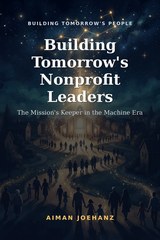 Building Tomorrow's Nonprofit Leaders · Vol. 34
The Mission's Keeper in the Machine Era
Table of contents
- Introduction
- Chapter 1: The Definition
- Chapter 2: The Instrument Case
- Chapter 3: The Five Courts
- Chapter 4: The Brief
- Chapter 5: The Flood
- Chapter 6: The Ledger
- Chapter 7: The Difficult Trades
- Chapter 8: The Arithmetic
- Chapter 9: The Program
- Chapter 10: The Path
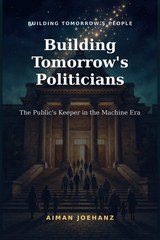 Building Tomorrow's Politicians · Vol. 35
The Public's Keeper in the Machine Era
Table of contents
- Introduction
- Chapter 1: The Definition
- Chapter 2: The Instrument Case
- Chapter 3: The Five Courts
- Chapter 4: The Brief
- Chapter 5: The Flood
- Chapter 6: The Ledger
- Chapter 7: The Difficult Trades
- Chapter 8: The Arithmetic
- Chapter 9: The Program
- Chapter 10: The Path
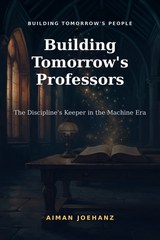 Building Tomorrow's Professors · Vol. 36
The Discipline's Keeper in the Machine Era
Table of contents
- Introduction
- Chapter 1: The Definition
- Chapter 2: The Instrument Case
- Chapter 3: The Five Courts
- Chapter 4: The Brief
- Chapter 5: The Flood
- Chapter 6: The Ledger
- Chapter 7: The Difficult Trades
- Chapter 8: The Arithmetic
- Chapter 9: The Program
- Chapter 10: The Path
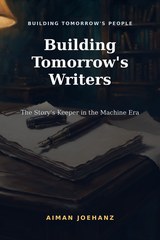 Building Tomorrow's Writers · Vol. 37
The Story's Keeper in the Machine Era
Table of contents
- Introduction
- Chapter 1: The Definition
- Chapter 2: The Instrument Case
- Chapter 3: The Five Courts
- Chapter 4: The Brief
- Chapter 5: The Flood
- Chapter 6: The Ledger
- Chapter 7: The Difficult Trades
- Chapter 8: The Arithmetic
- Chapter 9: The Program
- Chapter 10: The Path
- About This Series
 Building Tomorrow's Social Workers · Vol. 38
The Vulnerable's Keeper in the Machine Era
Table of contents
- Introduction
- Chapter 1: The Definition
- Chapter 2: The Instrument Case
- Chapter 3: The Five Courts
- Chapter 4: The Case's Brief
- Chapter 5: The Machine Era's Flood
- Chapter 6: The Money's Ledger
- Chapter 7: The Difficult Trades
- Chapter 8: The Compounding Arithmetic
- Chapter 9: The Working Program
- Chapter 10: The Path
- Connect
- About This Series
 Building Tomorrow's Teachers · Vol. 39
The Understanding's Keeper in the Machine Era
Table of contents
- Introduction
- Chapter 1: The Definition
- Chapter 2: The Instrument Case
- Chapter 3: The Five Courts
- Chapter 4: The Lesson's Brief
- Chapter 5: The Machine Era's Flood
- Chapter 6: The Money's Ledger
- Chapter 7: The Difficult Trades
- Chapter 8: The Compounding Arithmetic
- Chapter 9: The Working Program
- Chapter 10: The Path
- Connect
- About This Series
 Building Tomorrow's Accountants · Vol. 40
The Ledger's Keeper in the Machine Era
Table of contents
- Introduction
- Chapter 1: The Definition
- Chapter 2: The Instrument Case
- Chapter 3: The Five Courts
- Chapter 4: The Engagement's Brief
- Chapter 5: The Machine Era's Flood
- Chapter 6: The Money's Ledger
- Chapter 7: The Difficult Trades
- Chapter 8: The Compounding Arithmetic
- Chapter 9: The Working Program
- Chapter 10: The Path
- Connect
- About This Series
 Building Tomorrow's Actuaries · Vol. 41
The Risk's Keeper in the Machine Era
Table of contents
- Introduction
- Chapter 1: The Definition
- Chapter 2: The Instrument Case
- Chapter 3: The Five Courts
- Chapter 4: The Engagement's Brief
- Chapter 5: The Machine Era's Flood
- Chapter 6: The Money's Ledger
- Chapter 7: The Difficult Trades
- Chapter 8: The Compounding Arithmetic
- Chapter 9: The Working Program
- Chapter 10: The Path
- Connect
- About This Series
 Building Tomorrow's Financial Advisors · Vol. 43
The Plan's Keeper in the Machine Era
Table of contents
- Introduction
- Chapter 1: The Definition
- Chapter 2: The Instrument Case
- Chapter 3: The Courts That Judge
- Chapter 4: The Engagement Brief
- Chapter 5: The Machine Era's Flood
- Chapter 6: The Money Ledger
- Chapter 7: The Difficult Trades
- Chapter 8: The Compounding Arithmetic
- Chapter 9: The Working Program
- Chapter 10: The Path
- Connect
- Building Tomorrow's People
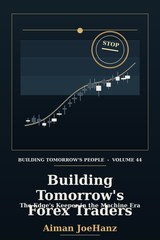 Building Tomorrow's Forex Traders · Vol. 44
Ask anyone to picture a forex trader and two pictures come back. In the first, an oracle wakes at dawn, reads five currencies the way a farmer reads a sky, and extracts the day's rent from a market that never sleeps. In the second, a gambler is three months and one blown account deep, having mistaken a demo streak for skill and a margin call for bad luck. The oracle and the obituary agree on one thing, that the trade is either a sixth sense or a casino, and both are wrong, because the real trader occupies a third seat entirely: the keeper of an edge, a professional whose product is not a predi
Table of contents
- Introduction
- Chapter 1: The Definition
- Chapter 2: The Instrument Case
- Chapter 3: The Courts That Judge
- Chapter 4: The Engagement Brief
- Chapter 5: The Machine Era's Flood
- Chapter 6: The Money Ledger
- Chapter 7: The Difficult Trades
- Chapter 8: The Compounding Arithmetic
- Chapter 9: The Working Program
- Chapter 10: The Path
- Connect
- Building Tomorrow's People
 Building Tomorrow's Financial Analysts · Vol. 45
Ask the market to picture a financial analyst and two portraits come back. In the first, a star whose single published word moves a stock before lunch, the conference-stage voice the money leans toward, a figure whose profession is imagined as the gift of being right first and loudest. In the second, a doomed spreadsheet operator, twelve hours deep in cells the terminal now refreshes alone, waiting for the committee that will price the arithmetic at zero. The star's legend flatters the trade into a performance; the automaton's obituary flatters the machines into a verdict; and both portraits m
Table of contents
- Introduction
- Chapter 1: The Definition
- Chapter 2: The Instrument Case
- Chapter 3: The Courts That Judge
- Chapter 4: The Engagement Brief
- Chapter 5: The Machine Era's Flood
- Chapter 6: The Money Ledger
- Chapter 7: The Difficult Trades
- Chapter 8: The Compounding Arithmetic
- Chapter 9: The Working Program
- Chapter 10: The Practitioner's Path
- Connect
- Building Tomorrow's People
 Building Tomorrow's Insurance Professionals · Vol. 46
Ask the market to picture an insurance professional and two portraits come back. In the first, a closer whose charm moves policies by the stack, the rainmaker of the branch, a figure whose profession is imagined as persuasion wearing a suit and whose scoreboard is the commission statement. In the second, a doomed form-processor, stamping papers between a filing cabinet and a phone queue, waiting for the committee that will price the queue at zero. The closer's legend flatters a fraction of the trade into a personality contest; the obituary condemns the rest of it to a museum; and both portrait
Table of contents
- Introduction
- Chapter 1: The Definition
- Chapter 2: The Instrument Case
- Chapter 3: The Courts That Judge
- Chapter 4: The Engagement Brief
- Chapter 5: The Machine Era's Flood
- Chapter 6: The Money Ledger
- Chapter 7: The Difficult Trades
- Chapter 8: The Compounding Arithmetic
- Chapter 9: The Working Program
- Chapter 10: The Practitioner's Path
- Connect
- Building Tomorrow's People
 Building Tomorrow's Investors · Vol. 47
A field guide for the modern investor: the keeper of the allocation in the machine era. Instruments, courts, briefs, and the difficult trades of capital.
Table of contents
- Introduction
- Chapter 1: The Definition
- Chapter 2: The Instrument Case
- Chapter 3: The Courts That Judge
- Chapter 4: The Engagement Brief
- Chapter 5: The Machine Era's Flood
- Chapter 6: The Money Ledger
- Chapter 7: The Difficult Trades
- Chapter 8: The Compounding Arithmetic
- Chapter 9: The Working Program
- Chapter 10: The Practitioner's Path
- Connect
- Building Tomorrow's People
 Building Tomorrow's Real Estate Investors · Vol. 48
A field guide for the modern real estate investor: the keeper of the deed in the machine era. Instruments, courts, briefs, and the difficult trades of owned property.
Table of contents
- Introduction
- Chapter 1: The Definition
- Chapter 2: The Instrument Case
- Chapter 3: The Courts That Judge
- Chapter 4: The Engagement Brief
- Chapter 5: The Machine Era's Flood
- Chapter 6: The Money Ledger
- Chapter 7: The Difficult Trades
- Chapter 8: The Compounding Arithmetic
- Chapter 9: The Working Program
- Chapter 10: The Practitioner's Path
- Connect
- Building Tomorrow's People
 Building Tomorrow's Stock Traders · Vol. 49
The machines will take the execution, the spread, and the seat. But the question every position hangs on - what is this exposure worth, what did its thesis promise, and what may never be done to the account - belongs to the keeper of the record. Building Tomorrow's Stock Traders is the forty-ninth volume of the Building Tomorrow's People series: a working field guide for the discretionary trader who refuses to be either the gambler of the screenshot legends or the doomed middleman of the terminal's obituary. Inside: the instruments of the craft (the thesis file with its variance page, the sizi
Table of contents
- Introduction
- Chapter 1: The Definition
- Chapter 2: The Instrument Case
- Chapter 3: The Courts That Judge
- Chapter 4: The Engagement Brief
- Chapter 5: The Machine Era's Flood
- Chapter 6: The Money Ledger
- Chapter 7: The Difficult Trades
- Chapter 8: The Compounding Arithmetic
- Chapter 9: The Working Program
- Chapter 10: The Practitioner's Path
- Connect
- Building Tomorrow's People
 Building Tomorrow's Doctors · Vol. 50
A field guide for the modern clinician: the keeper of the chart in the machine era. Instruments, courts, briefs, and the difficult cases of judgment under the alert flood.
Table of contents
- Introduction
- Chapter 1: The Definition
- Chapter 2: The Instrument Case
- Chapter 3: The Courts That Judge
- Chapter 4: The Engagement Brief
- Chapter 5: The Machine Era's Flood
- Chapter 6: The Attention Ledger
- Chapter 7: The Difficult Cases
- Chapter 8: The Compounding Arithmetic
- Chapter 9: The Working Program
- Chapter 10: The Practitioner's Path
 Building Tomorrow's Facilities Managers · Vol. 51
The machines will watch the chillers, log the faults, and page the duty phone. But the question every tenant hangs on - is the building safe, is it working, and who keeps it that way - belongs to the keeper of the building. Building Tomorrow's Facilities Managers is the fifty-first volume of the Building Tomorrow's People series: a working field guide for the facilities manager who refuses to be either the janitor of the legends or the ticket-clearer of the algorithm's help desk. Inside: the instruments of the craft (the asset register, the maintenance regime, the statutory inspections, the co
Table of contents
- Introduction
- Chapter 1: The Definition
- Chapter 2: The Instrument Case
- Chapter 3: The Courts That Judge
- Chapter 4: The Engagement Brief
- Chapter 5: The Machine Era's Flood
- Chapter 6: The Attention Ledger
- Chapter 7: The Difficult Cases
- Chapter 8: The Compounding Arithmetic
- Chapter 9: The Working Program
- Chapter 10: The Practitioner's Path
- Building Tomorrow's People
- Connect
 Building Tomorrow's Licensed Electrical Workers · Vol. 52
The machines will test the circuits and log the readings. But the question every household hangs on - is the wiring safe, who signed it off, and can that signature be trusted - belongs to the keeper of the installation. Building Tomorrow's Licensed Electrical Workers is the fifty-second volume of the Building Tomorrow's People series: a study companion for the licensed electrical worker's licensing and career, written for the candidate who refuses to be either the wire-puller of the legends or the checkbox-ticker of the test-prep mill. Inside: the work's definition and its license classes, the
Table of contents
- Introduction
- Chapter 1: The Definition
- Chapter 2: The Licensing Landscape
- Chapter 3: The Path
- Chapter 4: The Written Assessment
- Chapter 5: The Practical and the Interview
- Chapter 6: The Principles You Must Own
- Chapter 7: The Installation Essentials
- Chapter 8: The Standards and How to Read Them
- Chapter 9: The Study Program
- Chapter 10: The Practitioner's Path
- Building Tomorrow's People
- Connect
 Building Tomorrow's Electrical Engineers · Vol. 53
The machines will run the load studies and draft the single-line diagrams. But the question every city hangs on - will the system hold, who checked it, and what happens when the storm arrives - belongs to the keeper of the system. Building Tomorrow's Electrical Engineers is the fifty-third volume of the Building Tomorrow's People series: a working field guide for the electrical engineer who refuses to be either the globe-trotter of the legends or the spreadsheet-filler of the algorithm's imagination. Inside: the work's definition, the landscape of the profession and its institutions, the path
Table of contents
- Introduction
- Chapter 1: The Definition
- Chapter 2: The Landscape
- Chapter 3: The Path
- Chapter 4: The Fundamentals You Must Own
- Chapter 5: The Design
- Chapter 6: The Projects
- Chapter 7: The Standards and Reading Them Well
- Chapter 8: The Difficult Cases
- Chapter 9: The Study Program
- Chapter 10: The Practitioner's Path
- Building Tomorrow's People
- Connect
 Building Tomorrow's Financial Services Representatives · Vol. 54
The machines will run the suitability checks and draft the proposals. But the question every saver hangs on - is this right for me, who checked it, and who answers when it goes wrong - belongs to the keeper of the client. Building Tomorrow's Financial Services Representatives is the fifty-fourth volume of the Building Tomorrow's People series: a study companion for the representative's licensing examinations and career, written for the candidate who refuses to be either the shark of the legends or the script-reader of the algorithm's sales floor. Inside: the work's definition, the licensing la
Table of contents
- Introduction
- Chapter 1: The Definition
- Chapter 2: The Licensing Landscape
- Chapter 3: The Path
- Chapter 4: The Assessments
- Chapter 5: The Principles You Must Own
- Chapter 6: The Products Explained Originally
- Chapter 7: The Official Documents and How to Read Them
- Chapter 8: Difficult Cases
- Chapter 9: The Study Program
- Chapter 10: The Practitioner's Path
 Building Tomorrow's Nurses · Vol. 55
The Ward's Keeper in the Machine Era
Table of contents
- Introduction
- Chapter 1: The Definition
- Chapter 2: The Landscape
- Chapter 3: The Path
- Chapter 4: The Ward
- Chapter 5: The Handover
- Chapter 6: The Body's Evidence
- Chapter 7: The Conversation
- Chapter 8: The Machine's Ward
- Chapter 9: The Study Program
- Chapter 10: The Practitioner's Path
 Building Tomorrow's Real Estate Salespersons · Vol. 57
The portals will rank the listings and the algorithms will price the flat. But the question every buyer and seller hangs on - what is this property really worth, who is telling the truth, and who answers at the doorstep - belongs to the keeper of the property. Building Tomorrow's Real Estate Salespersons is the fifty-seventh volume of the Building Tomorrow's People series: a study companion for the salesperson's licensing examinations and career, written for the candidate who refuses to be either the shark of the legends or the listing-bot of the algorithm's marketplace. Inside: the doorstep p
Table of contents
- Introduction
- Chapter 1 — The Doorstep Professional
- Chapter 2 — The Regulator's Ledger
- Chapter 3 — Two Papers, One Standard
- Chapter 4 — The Law of the Middleman
- Chapter 5 — Land, Titles and the Strata City
- Chapter 6 — The Arithmetic of the Deal
- Chapter 7 — The Transaction
- Chapter 8 — The Client's Trust
- Chapter 9 — The Machine at the Door
- Chapter 10 — The Long Table
 Building Tomorrow's Fire Safety Managers · Vol. 58
The systems will sense the smoke and page the fire station. But the question every building hangs on - will everyone get out, who drilled them, and who answers to the inspector - belongs to the keeper of the building. Building Tomorrow's Fire Safety Managers is the fifty-eighth volume of the Building Tomorrow's People series: a study companion for the fire safety manager's certification and career, written for the candidate who refuses to be either the siren-chaser of the legends or the box-ticker of the compliance mill. Inside: the appointment and its meaning, the premises landscape, the path
Table of contents
- Chapter 1 — The Appointment
- Chapter 2 — The Landscape
- Chapter 3 — The Path
- Chapter 4 — The Science: Fire as an Adversary
- Chapter 5 — The Escape: People Under the Clock
- Chapter 6 — The Systems: Machinery That Buys Time
- Chapter 7 — The Working Week: The Keeper's Craft
- Chapter 8 — The Machinery: Enforcement and Its Honest Reading
- Chapter 9 — The Machine Era: The Building That Reports
- Chapter 10 — The Long Watch: The Career and Its Craft
- The Building Tomorrow's People Series
- About This Series
- Where to Verify Everything
 Building Tomorrow's Workplace Safety and Health Officers · Vol. 59
The sensors will count the near-misses and the dashboards will colour the risks. But the question every worker hangs on - will I go home whole, who watched out for me, and who answers when the state reads the file - belongs to the workforce's watch. Building Tomorrow's Workplace Safety and Health Officers is the fifty-ninth volume of the Building Tomorrow's People series: a study companion for the WSH officer's registration and career, written for the candidate who refuses to be either the hard-hat poster of the legends or the form-filler of the audit mill. Inside: the appointment and its mean
Table of contents
- Introduction
- Chapter 1: The Appointment
- Chapter 2: The Landscape
- Chapter 3: The Path
- Chapter 4: The Adversary: How Risk Works
- Chapter 5: The Worker: The Crowd of the Working Day
- Chapter 6: The Machinery: The Systems That Hold
- Chapter 7: The Working Week
- Chapter 8: The Enforcement: The State's Reading
- Chapter 9: The Machine Era
- Chapter 10: The Career
- About This Series
- Where to Verify Everything
 Building Tomorrow's Product Managers
Product management is the discipline the folklore misreads in two directions at once: the clerk's version (the backlog's router, the ticket's translator, the function the roadmap routes through) and the visionary's version (the idea's owner, the market's oracle, the conviction that substitutes for evidence). This structural guide treats the product manager as the keeper of the boundary where the organization's intent meets the market's demand: the problem's honest anatomy (the statement in the customer's grain, the interview's craft, the frequency, the intensity, and the payment's evidence tha
Table of contents
- Introduction
- Chapter 1: The Product's Keeper
- Chapter 2: The Problem
- Chapter 3: The Market
- Chapter 4: The Roadmap
- Chapter 5: The Backlog
- Chapter 6: The Build
- Chapter 7: The Evidence
- Chapter 8: The Launch
- Chapter 9: The Machine's Product
- Chapter 10: The Operating Program
- Building Tomorrow's People
- Connect
 Building Tomorrow's Project Managers
Project management is the discipline the folklore misreads in two directions at once: the scheduler's version (the Gantt chart's clerk, the status report's author, the meeting's arranger, collecting estimates it cannot judge and publishing dates it cannot keep) and the hero's version (the firefighter who rescues at the last moment the projects the same style set on fire). This structural guide treats the project manager as the keeper of the promise: the temporary system's anatomy (the change with its two halves, the three sides of scope, schedule, and budget that constrain each other by arithm
Table of contents
- Introduction
- Chapter 1: The Project's Anatomy
- Chapter 2: The Promise's Scope
- Chapter 3: The Plan
- Chapter 4: The Estimate
- Chapter 5: The Risk Ledger
- Chapter 6: The Borrowed Team
- Chapter 7: The Stakeholders
- Chapter 8: The Delivery
- Chapter 9: The Machine's Project
- Chapter 10: The Operating Program
 Building Tomorrow's Startup Founders
Startup founding is the discipline the folklore misreads in two directions at once: the visionary's version (the founder as the prophet whose conviction compels the world to rearrange itself) and the clerk's version (the founder as the registrant, the entity-filer, the occupant of a title). This structural guide treats the founder as the company's first author - the person whose early decisions are the organization's uneditable first edition, written under maximum uncertainty about a company that cannot yet object. The honest definition (the pen held rather than deserved, the signature priced
Table of contents
- Introduction: The First Author
- Chapter 1: The First Author
- Chapter 2: The Founding Decision
- Chapter 3: The Co-Founder and the Equity
- Chapter 4: The First Capital
- Chapter 5: The First Customers
- Chapter 6: The Runway
- Chapter 7: The Team's Founding
- Chapter 8: The Board and the Control
- Chapter 9: The Succession
- Chapter 10: The Machine's Founding and the Operating Program
- Connect
- Building Tomorrow's People
 Building Tomorrow's Midwives: Two Lives, One Clock and the Machine That Watches
At twenty past three in the morning a woman who has been in labour for eleven hours asks whether she can stop. Not stop the labour, she says, because she knows that is not on offer, but stop being the person it is happening to, get up, go home, come back when it is easier. The midwife sitting on the floor beside the bed does not answer immediately, and the four seconds of silence are the most skilled
Table of contents
- Introduction
- Chapter 1: The Trade That Is Not in the Room
- Chapter 2: Two Stories and the Third One
- Chapter 3: The Routes In and What They Cost
- Chapter 4: The Day as It Is Actually Lived
- Chapter 5: The Rules of the Craft
- Chapter 6: Who Leaves and Why
- Chapter 7: The Other Rooms
- Chapter 8: The Instruments and the Machine
- Chapter 9: A Year in a Constructed Unit
- Chapter 10: The Long View
- About the Series
- A Note from the Author
- Stay in Touch
- References and Further Reading
- About the Author
- Series Info
- Copyright
 Building Tomorrow's Occupational Therapists: The Task, the Body and the Room It Lives In
The Kitchen With the Wrong Light Every trade has a scene that explains it better than any definition, and in this one the scene is a kitchen in a flat two floors up, at four in the afternoon, with the light wrong and the worktop at the wrong height and a person sitting on a dining chair because standing at the counter has stopped being possible. There is no emergency in that kitchen and nothing on a
Table of contents
- Introduction
- Chapter 1: The Task, Not the Diagnosis
- Chapter 2: The Two Stories About Getting Better
- Chapter 3: The Routes In
- Chapter 4: The Working Day
- Chapter 5: The Craft's Rules
- Chapter 6: The Churn
- Chapter 7: The Other Rooms
- Chapter 8: The Instrument Shelf
- Chapter 9: The Year
- Chapter 10: The Long View
- About the Series
- A Note from the Author
- Stay in Touch
- References and Further Reading
- About the Author
- Series Info
- Copyright
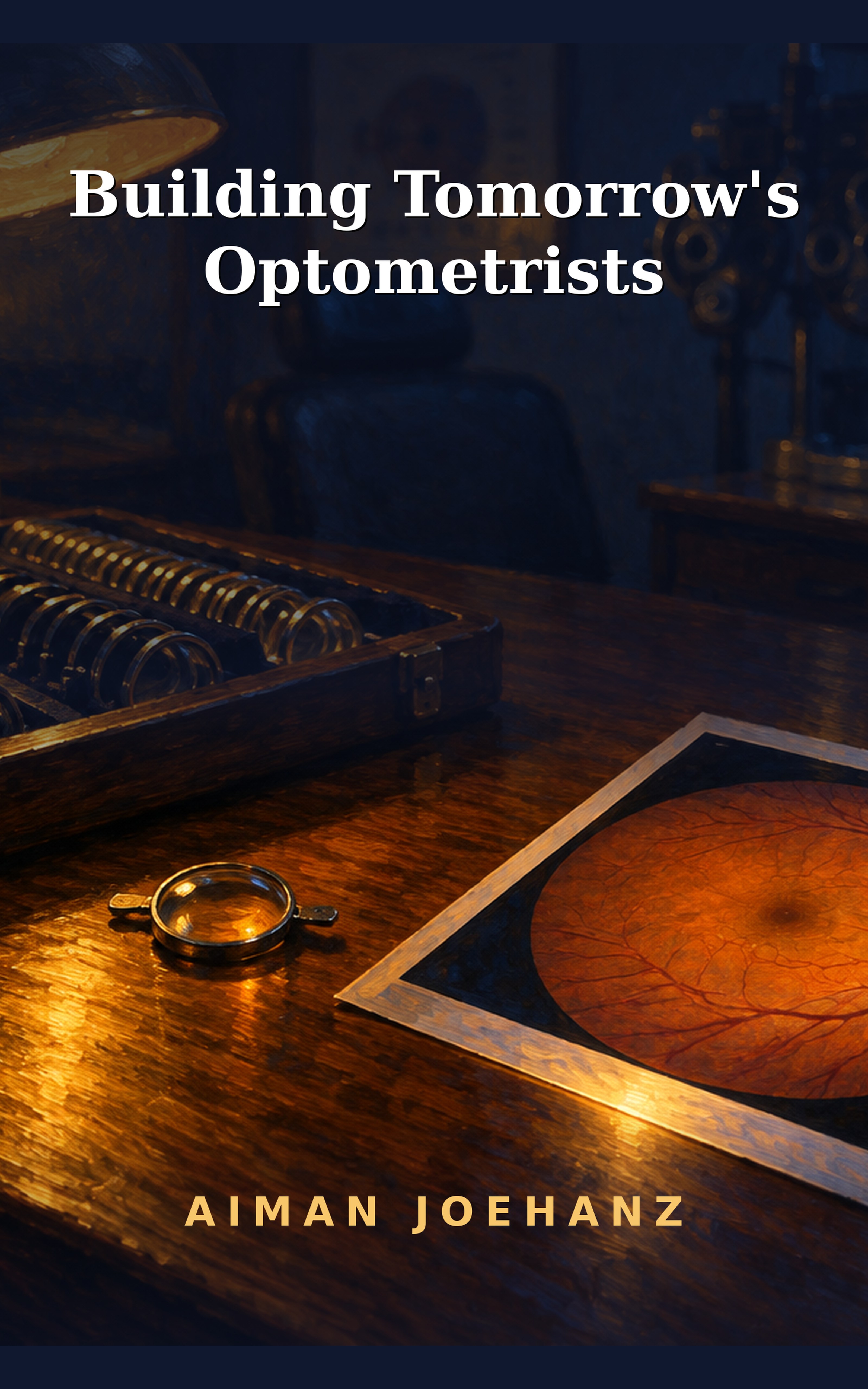 Building Tomorrow's Optometrists: The Eye, the Picture and the Second Opinion
The man in the chair has been asked to look at the little house at the end of the road inside the machine, and he is doing his best, and the machine has already finished. It has measured the shape of his eyes, produced a number for each of them, photographed the back of each one and made a note about the pressure, and it has done all of that in less time than it took him to take off his coat. When the
Table of contents
- Introduction
- Chapter 1: The Trade That Reads Pictures
- Chapter 2: Two Stories and the Third One
- Chapter 3: The Routes In and the Debt at the Door
- Chapter 4: The Day as It Happens, Hour by Hour
- Chapter 5: The Rules of the Craft
- Chapter 6: Who Leaves and Why
- Chapter 7: The Other Rooms
- Chapter 8: The Instruments and the Machine
- Chapter 9: A Year in a Constructed Practice
- Chapter 10: The Long View
- About the Series
- A Note from the Author
- Stay in Touch
- References and Further Reading
- About the Author
- Series Info
- Copyright
 Building Tomorrow's Paramedics: The Golden Hour's Keeper in the Machine Era
The world keeps two pictures of the paramedic, and both of them are flattering in a way that has cost the trade real money. The first picture is the siren: a vehicle that arrives, a pair of hands that restart a heart on a pavement while a crowd films it, and a story that ends either in a miracle or in a tragedy with somebody to blame. The second picture is the protocol: a uniformed technician reading
Table of contents
- Introduction
- Chapter 1 — The First Ten Minutes
- Chapter 2 — Two Stories About Rescue
- Chapter 3 — The Routes In
- Chapter 4 — The Shift
- Chapter 5 — The Rules of the Scene
- Chapter 6 — The Churn
- Chapter 7 — The Other Rooms
- Chapter 8 — The Instrument Shelf
- Chapter 9 — The Year
- Chapter 10 — The Long View
- About This Series
- Author's Note: How This Volume Was Made
- Connect
- References and Verification
- About the Author
- Series Info
- Copyright
 Building Tomorrow's Physiotherapists: The Movement's Keeper in the Machine Era
The world keeps two pictures of the physiotherapist, and neither of them survives an insurance audit. The first picture is the pair of hands, warm and gifted, whose owner heals by touch and by presence, and which the trade's folklore polishes a little brighter every time a patient says the shoulder felt better afterwards. The second picture is the protocol technician, the person who reads the guidelin
Table of contents
- Introduction
- Chapter 1 — The Movement
- Chapter 2 — The Body's Two Stories
- Chapter 3 — The Routes In
- Chapter 4 — The Working Week
- Chapter 5 — The Craft's Rules
- Chapter 6 — The Churn
- Chapter 7 — The Other Rooms
- Chapter 8 — The Instrument Shelf
- Chapter 9 — The Year
- Chapter 10 — The Long View
- About This Series
- Author's Note: Who Wrote This
- Where to Verify Everything
- Connect
- About the Author
- Series Info
- Copyright
 Building Tomorrow's Radiographers: The Image and the Machine That Reads It
The Room With No Windows Every trade has a room that the public picture leaves out, and in this one the room is where the picture is made. It holds a table that moves, a tube that turns around the table on a ring, a screen behind glass, and a person in a lead-lined coat who has thirty seconds to work out whether the patient lying in front of them can be safely scanned at all, and, if the answer is y
Table of contents
- Introduction
- Chapter 1: The Image
- Chapter 2: The Two Stories About Seeing Inside
- Chapter 3: The Routes In
- Chapter 4: The Working Day
- Chapter 5: The Craft's Rules
- Chapter 6: The Churn
- Chapter 7: The Other Rooms
- Chapter 8: The Instrument Shelf
- Chapter 9: The Year
- Chapter 10: The Long View
- About This Series
- Author's Note: How This Volume Was Made
- Connect
- References and Verification
- About the Author
- Series Info
- Copyright
 Building Tomorrow's Speech-Language Therapists: The Word, the Breath and the Person Behind Them
The Sentence That Took Forty Seconds The sentence he wanted was short and it had been in his head, complete and correctly ordered, since the moment his daughter walked in with the newspaper and the news about her neighbour. He wanted to say that he had seen the garden that morning, that the plum tree had come out, and that somebody ought to cut the branch that hung over the fence before it took the
Table of contents
- Introduction
- Chapter 1: The Word, Not the Deficit
- Chapter 2: The Two Stories About Being Understood
- Chapter 3: The Routes In
- Chapter 4: The Working Day
- Chapter 5: The Craft's Rules
- Chapter 6: The Churn
- Chapter 7: The Other Rooms
- Chapter 8: The Instrument Shelf
- Chapter 9: The Year
- Chapter 10: The Long View
- About the Series
- A Note from the Author
- Stay in Touch
- References and Further Reading
- About the Author
- Series Info
- Copyright