Building the Infrastructure of Tomorrow
The invisible machinery of the modern world — networks, energy, logistics and cloud, volume by volume. By Aiman JoeHanz.
Kofi · Payhip · Gumroad — every volume with its own product link
The books — 48 volumes
 Building the AI Infrastructure for Logistics of Tomorrow · Vol. 5
Supply chains fail in the dark: planners reconciling stale carrier messages, inventory held as a substitute for information, and re-planning done by phone after the disruption has already landed. This guide shows how to replace the twentieth century's blind, brittle logistics stack with AI infrastructure built as a system: a canonical event stream and live digital twin that make the network finally visible, a portfolio of forecasting and optimization engines that turn visibility into decisions, automated execution from warehouse floor to highway, an integration fabric that connects carriers, p
Table of contents
- Introduction
- Chapter 1: The Visibility Gap — Why Logistics Still Runs Blind
- Chapter 2: Why Traditional Supply Chains Break Under Modern Demand
- Chapter 3: The True Cost of Fragility — What the Old Infrastructure Takes
- Chapter 4: Foundations — What AI Infrastructure for Logistics Actually Is
- Chapter 5: The Data Layer — Sensors, Telemetry, and the Digital Twin
- Chapter 8: Integration — Connecting Carriers, Ports, and Partners
- Chapter 9: Measurement, Governance, and Trust
- Chapter 10: The Road Ahead — Autonomy, Resilience, and the Network of Tomorrow
- Frequently Asked Questions
- Glossary
- A Last Word
- About this Series
- Connect
 Building the AI Talent Infrastructure of Tomorrow · Vol. 6
AI is advancing faster than the workforce that runs it, and bidding wars for the same scarce practitioners are quietly bankrupting everyone's talent strategy. This guide shows organizations how to stop buying capability and start manufacturing it: internal academies that convert adjacent professionals into practitioners, competency frameworks that replace pedigree with evidence, cultivation sourcing, retention built on visible growth, and the measurement and culture that keep it all honest. A systems-engineering blueprint for the decade's most strategic bottleneck.
Table of contents
- Introduction
- Chapter 1: The Structural Shortage — Why the AI Talent Gap Is Different
- Chapter 2: Why Hiring Alone Cannot Close the Gap
- Chapter 3: The True Cost of Talent Fragility
- Chapter 5: The Learning Pipeline — Academies, Curriculum, and Conversion
- Chapter 6: Skills Architecture — Roles, Ladders, and Competency Frameworks
- Chapter 7: Sourcing and Cultivation — Building the Intake System
- Chapter 8: Retention and Growth — Keeping the System Charged
- Chapter 9: Measurement, Forecasting, and Governance
- Chapter 10: The Continuous Learning Culture
- Frequently Asked Questions
- Glossary
- About this Series
- Connect
 Building the Cloud Services Infrastructure of Tomorrow · Vol. 7
The cloud promised to replace data centers, but it delivered something stranger: an industrial machine that rents you its parts and leaves the architecture in your hands. This guide treats cloud services as real infrastructure engineering - the layered stack, the geography of regions and failure domains, the economics of compute and data gravity, the identity-built perimeter, the managed-platform bargain, and the reliability, security, and cost disciplines that keep an estate honest. A systems blueprint for anyone who owns workloads in the cloud.
Table of contents
- Introduction
- Chapter 1: The Utility Turn — What Cloud Services Infrastructure Actually Is
- Chapter 2: The Layered Model — Abstraction and the Shared Responsibility Bargain
- Chapter 4: Compute Primitives and the Economics of Matching Workloads
- Chapter 5: Storage and Data Services — The Gravity at the Center
- Chapter 6: Networking and Identity — The Perimeter Rebuilt
- Chapter 7: Managed Platforms and the Abstraction Bargain
- Chapter 8: Reliability — Trust as a Designed Property
- Chapter 10: The Road Ahead — Operating the Estate of Tomorrow
- Frequently Asked Questions
- Glossary
- About this Series
- Connect
 Building the Global AI Companies Infrastructure of Tomorrow · Vol. 8
The companies building machine intelligence look like software firms but run like heavy industry: fabs, campuses, power contracts, and decade-scale capital beneath a chat interface. This guide walks the machine from the atoms up - the silicon chokepoints, the campus checklist, the energy bargain, the data pyramid, the training run, the capital machine, the fragmenting geopolitical map, and the operating discipline that holds it together. A systems blueprint for understanding who builds intelligence and what it actually costs.
Table of contents
- Introduction
- Chapter 1: The Industrial Turn — What a Global AI Company Actually Is
- Chapter 3: The Factory Floor — Campuses, Land, Cooling, and the Built Machine
- Chapter 4: Energy — The Grid as the Binding Constraint
- Chapter 10: Operating the Machine — Talent, Safety, and the Honest Ledger
- Frequently Asked Questions
- Glossary
- About this Series
- Connect
 Building the Business Infrastructure of Tomorrow · Vol. 9
Every company runs a second business its customers never see: the business of keeping records, moving money, tracking people, and connecting systems. This guide walks that backbone layer by layer - the ledger and registers, the customer machinery, the people systems, the money pipeline, the integration tissue, the data discipline, and the identity constitution - then covers the transformation problem and the arrival of machine intelligence inside the systems of record. A systems blueprint for understanding the enterprise as an engineered machine.
Table of contents
- Introduction
- Chapter 1: The Business as a System — What Business Infrastructure Actually Is
- Chapter 2: The Records Layer — ERP, Ledgers, and the Company's Memory
- Chapter 3: The Customer Layer — CRM, Commerce, and the Front of the House
- Chapter 4: The People Layer — HR, Payroll, and the Employment Machine
- Chapter 5: The Money Layer — Payments, Treasury, and the Flow of Value
- Chapter 6: The Integration Layer — APIs, Events, and the Connective Tissue
- Chapter 8: The Identity Layer — Access, Trust, and the Security Posture
- Chapter 9: The Transformation Problem — Selection, Implementation, and Change
- Chapter 10: The Re-Foundation — When the Backbone Learns to Reason
- Frequently Asked Questions
- Glossary
- About this Series
- Connect
 Building the Company Infrastructure of Tomorrow · Vol. 10
The company itself is a machine: an artificial person granted by the state, held together by registers, resolutions, filings, and contracts that most of its participants never inspect. This guide walks the construct layer by layer - the entity skeleton, the ownership spine, the governance engine, the obligations owed to the state, the capital machinery, and the internal constitution - then the build problem of formation, growth, and restructuring, and the re-foundation as machine intelligence arrives in the company's own machinery. A structural blueprint for understanding, auditing, and buildi
Table of contents
- Introduction
- Chapter 1: The Company as a Construct — What Company Infrastructure Actually Is
- Chapter 2: The Entity Layer — Incorporation, Charters, and the Legal Skeleton
- Chapter 3: The Ownership Layer — Shares, Registers, and the Cap Table
- Chapter 5: The Obligation Layer — Registers, Filings, and the Compliance Clock
- Chapter 6: The Capital Layer — Equity, Debt, and the Corporate Bank Account
- Chapter 9: The Build Problem — Formation, Growth, and the Multi-Entity Design
- Chapter 10: The Re-Foundation — When the Company Machine Learns
- Frequently Asked Questions
- Glossary
- About this Series
- Connect
 Building the Human Resources Infrastructure of Tomorrow · Vol. 11
An organization's people machinery is its primary production system: the machine that acquires, binds, grows, judges, pays, sustains, and releases the workforce every other system depends on. This guide walks that machine layer by layer - the workforce architecture, the acquisition pipeline, the employment constitution, the development factory, the performance conversation, the compensation arithmetic, the care machinery, and the departure process - then the build problem of making the machine deliberate, and the re-foundation as machine intelligence arrives in every layer of the people system
Table of contents
- Introduction
- Chapter 1: The People Machine — What Human Resources Infrastructure Actually Is
- Chapter 2: The Workforce Layer — Jobs, Roles, and the Architecture of Work
- Chapter 3: The Acquisition Layer — Sourcing, Hiring, and the Candidate Machinery
- Chapter 6: The Performance Layer — Goals, Feedback, and the Honest Conversation
- Chapter 7: The Compensation Layer — Pay, Benefits, and the Total Rewards Machine
- Chapter 8: The Care Layer — Wellbeing, Safety, and the Support Machinery
- Chapter 9: The Departure Layer — Separations, Exits, and the Learning Machine
- Chapter 10: The Re-Foundation — When the People Machine Learns
- Frequently Asked Questions
- Glossary
- About this Series
- Connect
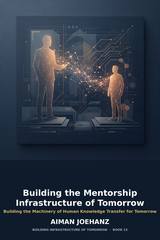 Building the Mentorship Infrastructure of Tomorrow · Vol. 13
Every organization above a handful of people runs on knowledge its documents do not hold: the judgment, feel, and pattern recognition its experienced members carry and its newcomers need. This guide dissects the machine that moves it — the knowledge layer and its tacit cargo, the matching architecture of fit, the relationship's operating bond, the program scaffold, the networks that scale one guide's reach, the honest gauges, the engineered access, the failure machinery, and the re-foundation arriving as machine intelligence enters every layer of a system whose entire cargo is human knowledge.
Table of contents
- Introduction
- Chapter 1: The Mentorship Machine — What Mentorship Infrastructure Actually Is
- Chapter 3: The Matching Layer — Pairing, Selection, and the Architecture of Fit
- Chapter 4: The Relationship Layer — Trust, Cadence, and the Operating Bond
- Chapter 6: The Scale Layer — Networks, Communities, and Mentorship at Scale
- Chapter 7: The Measurement Layer — Outcomes, Evidence, and Learning What Works
- Chapter 8: The Inclusion Layer — Access, Sponsorship, and the Equity Machinery
- Chapter 9: The Failure Layer — Breakdowns, Mismatch, and Repair
- Chapter 10: The Re-Foundation — When the Mentorship Machine Learns
- About this Series
- Connect
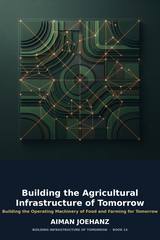 Building the Agricultural Infrastructure of Tomorrow · Vol. 14
Every civilization runs on a machine most of its members never see: the layered infrastructure that turns soil, water, seed, and labor into food on a plate. This guide dissects that machine layer by layer — the living land and its ledger, the seed and livestock engine, the mechanization muscles, the hydraulic machinery, the harvest-to-cold-chain logistics, the risk machinery, the sensing and advisory networks, the regenerative layer that keeps the machine from eating its own base, and the re-foundation arriving as machine intelligence reaches the field. A structural blueprint for building the
Table of contents
- Introduction
- Chapter 2: The Land Layer — Soil, Terrain, and the Physical Base of Farming
- Chapter 4: The Mechanization Layer — Machines, Energy, and the Field's Muscles
- Chapter 5: The Water Layer — Irrigation, Drainage, and the Hydraulic Machinery
- Chapter 7: The Risk Layer — Weather, Pests, and the Machinery of Survival
- Chapter 8: The Information Layer — Sensing, Advice, and the Agronomic Record
- Chapter 9: The Sustainability Layer — Keeping the Machine from Eating Its Base
- About this Series
- Connect
 Building the AI Infrastructure for Finance of Tomorrow · Vol. 15
A Practical Guide
Table of contents
- Introduction
- Chapter 1: The State of Play and Its Limits
- Chapter 2: Why the Familiar Approaches Fall Short
- Chapter 3: The Cost of Inaction
- Chapter 4: Foundational Principles
- Chapter 5: Core Architecture and Design
- Chapter 6: Implementation Strategies
- Chapter 7: Technology and Tools
- Chapter 8: Operations and Management
- Chapter 9: Scaling and Future-Proofing
- Chapter 10: Case Studies and Best Practices
- Frequently Asked Questions
- Glossary
- About this Series
- Connect
 Building the Banking & Financial Infrastructure of Tomorrow · Vol. 15
Money moves through machinery almost nobody sees: the ledgers of central banks, the payment rails that clear billions of transfers a day, the credit machines that turn deposits into loans, the risk buffers that let the whole structure fail safely rather than catastrophically. This guide dissects that machinery layer by layer — the central bank anchor, the payment rails, the credit machine, the risk architecture, the capital markets, the regulatory guardrails, the inclusion frontier, the information layer, and the re-foundation arriving as digital money and machine intelligence reach the ledger
Table of contents
- Introduction
- Chapter 2: The Anchor Layer — Central Banks and the Settlement Bedrock
- Chapter 6: The Market Layer — Savings, Investment, and the Long Money
- Chapter 8: The Inclusion Layer — Identity, Access, and the Unbanked Frontier
- About this Series
- Connect
 Building the AI Infrastructure for Government of Tomorrow · Vol. 16
A Practical Guide
Table of contents
- Introduction
- Chapter 1: The Current State and Its Limitations
- Chapter 2: Why Existing Approaches Are Falling Short
- Chapter 3: The Cost of Inaction
- Chapter 4: Foundational Principles
- Chapter 5: Core Architecture and Design
- Chapter 6: Implementation Strategies
- Chapter 7: Technology and Tools
- Chapter 8: Operations and Management
- Chapter 9: Scaling and Future-Proofing
- Chapter 10: Case Studies and Best Practices
- Frequently Asked Questions
- Glossary
- About this Series
- Connect
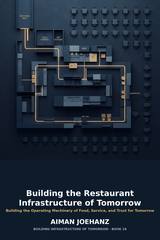 Building the Restaurant Infrastructure of Tomorrow · Vol. 16
A restaurant looks like a room where food is served. It is actually one of the densest infrastructure systems an economy produces: a supply chain delivering fresh biological material daily, a made-to-order production plant running live in front of its customers, a safety laboratory under strict law, a service theater with no second take, and a retail business whose margins turn on a two-point drift. This guide dissects that machinery layer by layer — menus and kitchen design, sourcing and cold chains, the physical plant, food safety machinery, the labor machine, guest-facing technology, unit e
Table of contents
- Introduction
- Chapter 1: The Restaurant Machine — What Restaurant Infrastructure Actually Is
- Chapter 2: The Menu and the Design Layer — Architecture Before Anything Else
- Chapter 3: The Sourcing Layer — Cold Chains, Suppliers, and the Inventory Buffer
- Chapter 4: The Equipment Layer — Energy, Heat, and the Physical Plant
- Chapter 5: The Safety Layer — Food Protection as a Designed System
- Chapter 6: The Staffing Layer — The Labor Machine
- Chapter 8: The Economics Layer — The Unit Math of Survival
- About this Series
- Connect
 Building the AI Infrastructure for Healthcare of Tomorrow · Vol. 17
Designing the Compute, Data, and Clinical Governance Backbone for Trustworthy Medical Intelligence
Table of contents
- Introduction
- Chapter 1: The Current Estate and Its Limits
- Chapter 2: Why Yesterday's Approaches Fall Short
- Chapter 3: The Cost of Inaction
- Chapter 4: Foundational Principles
- Chapter 5: Core Architecture and Design
- Chapter 6: Implementation Strategies
- Chapter 7: Technology and Tools
- Chapter 8: Operations and Management
- Chapter 9: Scaling and Future-Proofing
- Chapter 10: Case Studies and Best Practices
- About this Series
- Connect
 Building the Retail Infrastructure of Tomorrow · Vol. 17
Building the Operating Machinery of Stock, Store, and Sale for Tomorrow
Table of contents
- Introduction
- Chapter 1: The Retail Machine — What Retail Infrastructure Actually Is
- Chapter 2: The Store Layer — The Room as a Machine
- Chapter 4: The Inventory Layer — The Machine's Working Memory
- Chapter 5: The Pricing Layer — Margin, Information, and the Markdown Engine
- Chapter 6: The Checkout Layer — Scanning, Payments, and the Money Rails
- Chapter 7: The Omnichannel Layer — The Store Network and the Web as One Machine
- Chapter 8: The People Layer — Workforce, Service, and the Front Line
- Chapter 9: The Risk Layer — Shrink, Fraud, and the Machine's Failure Modes
- About this Series
- Connect
 Building the AiOps Infrastructure of Tomorrow · Vol. 18
Building Intelligent IT Operations for Tomorrow
Table of contents
- Introduction
- Chapter 1: The Complexity Crisis in Modern IT Operations
- Chapter 2: Why Traditional Monitoring and Alerting Are Breaking
- Chapter 3: The Cost of Inaction
- Chapter 4: AIOps Foundations — Data, Observability, and Context
- Chapter 5: Building the Data Pipeline — Logs, Metrics, Traces, Events
- Chapter 6: Machine Learning for Anomaly Detection
- Chapter 7: Intelligent Alerting and Noise Reduction
- Chapter 8: Automated Root Cause Analysis and Diagnosis
- Chapter 9: Automated Remediation and Self-Healing Systems
- Chapter 10: Building a Continuous Learning AIOps Culture
- Glossary
- About this Series
- Connect
 Building the Tourism & Hospitality Infrastructure of Tomorrow · Vol. 18
Building the Operating Machinery of Arrival, Welcome, and Return for Tomorrow
Table of contents
- Introduction
- Chapter 1: The Tourism Machine — What Tourism Infrastructure Actually Is
- Chapter 2: The Destination Layer — Place as Infrastructure
- Chapter 3: The Hotel Machine — The Room as a Product and the Building as a Plant
- Chapter 4: The Guest Journey Layer — Booking, Arrival, Stay, and Departure
- Chapter 5: The Food and Service Layer — The Kitchen Behind the Lobby
- Chapter 7: The Revenue Layer — Yield, Forecast, and the Price of a Night
- Chapter 8: The People Layer — Hospitality's Craft and Its Workforce
- Chapter 9: The Risk Layer — Safety, Season, and the Fragile Destination
- About this Series
- Connect
 Building the Country Infrastructure of Tomorrow · Vol. 19
A country looks like a flag, a border, and a government. It is actually the largest machine humanity has ever built: a self-repairing system that must rewire itself while running at full load, with no exterior, no spare machine, and no shutdown window. This guide dissects that machinery layer by layer - the constitutional meta-infrastructure of law, property, and courts; the physical base of energy, water, and transport; the digital layer as the state's second nervous system; the human layer of education, health, and housing; the economic engine of finance and trade; the resilience perimeter f
Table of contents
- Introduction
- Chapter 1: The Country Machine — What Country Infrastructure Actually Is
- Chapter 2: The Constitutional Layer — Law, Property, and the Meta-Infrastructure
- Chapter 6: The Economic Engine — Finance, Trade, and the Machinery of Exchange
- Chapter 7: The Resilience Layer — Defense, Disaster, and the Bad-Day Machine
- Chapter 9: The Funding Machine — Tax, Debt, and the Treasury's Discipline
- About this Series
- Connect
 Building the Education Infrastructure of Tomorrow · Vol. 20
A school is the machine that builds the operators of every other machine, including itself. This guide dissects the learning infrastructure layer by layer - the school plant of buildings, time, and attention; the teacher pipeline that produces the system's only irreplaceable part; the knowledge layer of curriculum, standards, and assessment as the machine's software; the digital layer that is becoming the second classroom; the credential machine of universities, degrees, and the mint of trust; the finance and equity machinery that decides who gets to learn; and the governance layer that runs t
Table of contents
- Introduction
- Chapter 1: The Learning Machine — What Education Infrastructure Actually Is
- Chapter 2: The Compounding Case — Human Capital as the Slowest, Strongest Layer
- Chapter 4: The Teacher Pipeline — The Profession as the System's Moving Part
- Chapter 9: The Control Plane — Governance, Ministry, and the Truth System
- About this Series
- Connect
 Building the Scientific Research Infrastructure of Tomorrow · Vol. 25
A laboratory can own remarkable instruments and still be unable to answer its own questions. The gap is not curiosity; it is infrastructure - the arrangements that carry a question through people, facilities, records, and review, and that decide whether an answer can be trusted once it is given. This guide dissects the scientific research system layer by layer: the portfolio of questions and how a study earns its slot; the instrument commons, where measurement is scheduled, maintained, and kept honest; the experimental operating system that designs studies so their comparisons mean something;
Table of contents
- Introduction
- Chapter 1: The Question Portfolio
- Chapter 2: The Instrument Commons
- Chapter 3: The Experimental Operating System
- Chapter 4: The Evidence Memory
- Chapter 5: The Verification Loop
- Chapter 6: The People Who Carry Methods
- Chapter 7: Financing the Long Clock
- Chapter 8: The Publishing Interface
- Chapter 9: The Translation Bridge
- Chapter 10: Governing a System That Learns
- About this Series
- Connect
 Building the Smart City Infrastructure of Tomorrow · Vol. 26
A city can blanket its streets with sensors and still be unable to answer its own questions. The gap is not the technology; it is infrastructure - the layers that turn scattered readings into a shared, honest picture, and the covenant that decides who may watch and who must answer. This guide dissects the instrumented city layer by layer: the responsive city and what smart infrastructure actually is; the sensing skin of instruments across the streetscape; the communication fabric that carries every reading; the data layer, where observations become a working model of the city; the operations r
Table of contents
- Introduction
- Chapter 1: The Responsive City — What Smart City Infrastructure Actually Is
- Chapter 2: The Sensing Skin — Instruments Across the Streetscape
- Chapter 3: The Communication Fabric — The City's Nervous System
- Chapter 4: The Data Layer — From Readings to a Working Model
- Chapter 5: The Operations Layer — The Rooms Where the City Is Watched
- Chapter 6: The Moving City — Mobility as One System
- Chapter 7: The Metabolic City — Water, Waste, Energy, and Air as Flows
- Chapter 8: The Served City — The Citizen's Interface
- Chapter 9: The Guarded City — Security, Privacy, and the Vendor Question
- Chapter 10: The Learning City — Standards, Money, and the Long Game
- About this Series
- Connect
 Building the Water & Sanitation Infrastructure of Tomorrow · Vol. 27
A city can glitter with towers and still lose itself the week the water stops. What carries a city through its hardest seasons is not spectacle but infrastructure - the gathering of the rain, the train that makes it safe, the pressure that reaches the sixth floor, the drains that take it away, the plant that returns it clean, and the arithmetic that pays for all of it honestly. This guide dissects the flowing city layer by layer: the flowing city and what water infrastructure actually is; the gathering of sources, catchments, aquifers, and the water portfolio; the treatment train that turns ra
Table of contents
- Introduction
- Chapter 1: The Flowing City — What Water Infrastructure Actually Is
- Chapter 2: The Gathering — Sources, Catchments, and the Water Portfolio
- Chapter 3: The Treatment Train — Turning Raw Water Into Drinking Water
- Chapter 4: The Pressure — Pumps, Pipes, and the Network Beneath the Street
- Chapter 5: The Sensing and Control — Meters, Quality, and the Operating Room
- Chapter 6: The Used Water — Sewers, Stormwater, and the Collection Web
- Chapter 7: The Return Obligation — Wastewater Treatment and the Receiving Body
- Chapter 8: The Circular City — Reuse, Recovery, and Closing the Loop
- Chapter 9: The Money and the Institution — Tariffs, Losses, and Who Owns the Tap
- Chapter 10: The Resilient City — Drought, Flood, and the Long Water Clock
- A Last Word
- About this Series
- Connect
 Building the Cultural & Arts Infrastructure of Tomorrow · Vol. 28
A city can fill its halls with applause and still lose the music between generations. What carries a society's meaning is not inspiration alone but infrastructure - the rooms where work is made, the buildings where it is presented, the catalogues where it is kept, the schools where the next public is formed, the channels that carry it, the livelihoods that sustain its makers, the funds that pay for it, and the ethics that govern its custody. This guide dissects the cultural city layer by layer: the cultural city and what cultural infrastructure actually is; the making, the studios and workshop
Table of contents
- Introduction
- Chapter 1: The Cultural City — What Cultural Infrastructure Actually Is
- Chapter 2: The Making — Studios, Workshops, and the Spaces Where Work Begins
- Chapter 3: The Presentation — Stages, Halls, and the Buildings That Deliver
- Chapter 4: The Memory — Museums, Archives, and the Stored Culture
- Chapter 5: The Participation — Teaching, Community, and Culture as a Verb
- Chapter 6: The Distribution — Publishing, Screens, and the Reach of Culture
- Chapter 8: The Money — Funding, Markets, and the Economics of Culture
- Chapter 9: The Governance — Policy, Ethics, and the Custody of Culture
- Chapter 10: The Long Transmission — Renewal, Loss, and Keeping Culture Alive
- A Last Word
- About this Series
- Connect
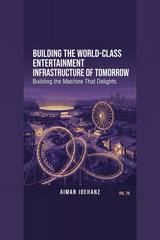 Building the World-Class Entertainment Infrastructure of Tomorrow · Vol. 29
The most effortless thing a society builds is its fun, and this book is about how much effort the effortlessness takes. Entertainment at scale is infrastructure: venues that must be booked, attractions that must be maintained, shows that must be repeatable, platforms that must deliver, queues that must move, safety stacks that must never fail, money that must price the joy honestly, and rules that keep the whole machine answerable. This guide dissects the fun business layer by layer: the entertainment city and what entertainment infrastructure actually is; the venue portfolio of arenas, theate
Table of contents
- Introduction
- Chapter 4: The Production Layer — The Factory That Makes the Hits
- Chapter 5: The Platform Layer — Screens, Streams, and the Experience at Home
- Chapter 6: The Flow — Queues, Gates, Seats, and the Science of the Crowd
- Chapter 8: The Money — Hits, Seasons, and the Economics of the Delight
- Chapter 9: The Governance — Licenses, Ratings, and the Rules of the Fun
- Chapter 10: The Long Run — Renewal, Franchise Fatigue, and the Next Format
- A Last Word
- About this Series
- Connect
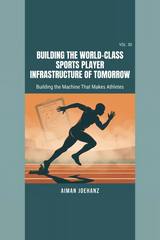 Building the World-Class Sports Player Infrastructure of Tomorrow · Vol. 30
Behind every champion stands a machine, and this book is about the machine. World-class athletes are manufactured: found by scouting networks, built by academies, engineered by training systems, maintained by medical teams, steadied by mental health services, priced by contract markets, caught by retirement programs, and kept honest by rules with teeth - over a decade or more, starting at nine years old. This guide dissects the athlete-making system layer by layer: the sports city and what player infrastructure actually is; the talent pool, the scouts, grassroots, and the finding of the child;
Table of contents
- Introduction
- Chapter 1: The Sports City — What Player Infrastructure Actually Is
- Chapter 2: The Talent Pool — Scouting, Grassroots, and the Finding of the Child
- Chapter 3: The Academy — The Developmental Years and the Making of the Athlete
- Chapter 4: The Training System — Sports Science and the Building of the Body
- Chapter 5: The Body — Sports Medicine, Injury, and the Kept Athlete
- Chapter 7: The Career — Contracts, Agents, and the Market for Players
- Chapter 8: The After — Retirement, Second Careers, and the Cliff
- Chapter 10: The Long Game — Pipelines, Nations, and the System's Renewal
- A Last Word
- About this Series
- Connect
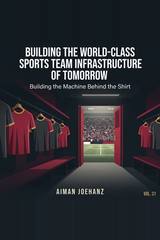 Building the World-Class Sports Team Infrastructure of Tomorrow · Vol. 31
A sports team is the strangest company in the economy, and this book is about the machine behind the shirt. World-class clubs are engineered: squads built as balanced portfolios, staffs assembled as a factory of specialists, matchdays manufactured from a week of operations, stadiums run as the covenant's real estate, fanbases stewarded as co-owners, money governed against its own appetite, competitions designed as the sport's constitution, and rules that hold the whole institution honest across generations. This guide dissects the team layer by layer: the team city and what a club actually is;
Table of contents
- Introduction
- Chapter 1: The Team City — What a Team Actually Is
- Chapter 2: The Squad — Roster Construction and the Playing Portfolio
- Chapter 3: The Staff — The Machine's Operators
- Chapter 4: The Match — The Product's Manufacture
- Chapter 5: The Home — The Fixed Plant and Its Edge
- Chapter 6: The Fanbase — The Demand and the Atmosphere's Raw Material
- Chapter 7: The Money — The Fuel and Its Governor
- Chapter 8: The Competition — The Ecosystem's Architecture
- Chapter 9: The Rules — The Governance of the Club
- Chapter 10: The Long Run — Dynasties, Sustainability, and the Club's Century
- A Last Word
- About this Series
- Connect
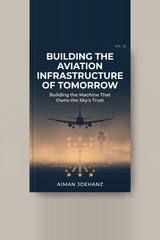 Building the Aviation Infrastructure of Tomorrow · Vol. 32
Aviation is the most audacious infrastructure humanity runs, and this book is about the machine that makes it ordinary. World-class flight is engineered: airports run as departure factories paced by runways and terminals, airlines assemble schedules with brutal economics, aircraft are maintenance programs that happen to fly, the sky is a latticed highway of handoffs and separations, weather services hedge the atmosphere's moods, security regimes build immune systems around global mass transit, cargo pays half the bills in the hold's dark, and a global constitution of certification, audits, and
Table of contents
- Introduction
- Chapter 1: The Air City — What Aviation Infrastructure Is
- Chapter 2: The Airport — The Plant That Manufactures Departures
- Chapter 3: The Airline — The Operating Layer
- Chapter 4: The Aircraft — The Vehicle and Its Care
- Chapter 5: The Sky Highway — Air Traffic and the Empty System's Order
- Chapter 6: The Weather Layer — The Atmosphere's Intelligence Service
- Chapter 7: The Security Layer — The Machine's Immune System
- Chapter 8: The Cargo Layer — The Parallel Machine
- Chapter 9: The Rules — The Global Constitution
- Chapter 10: The Long Run — Fuel, Climate, and the Machine's Future
- A Last Word
- About this Series
- Connect
 Building the Data Center Infrastructure of Tomorrow · Vol. 33
The cloud is not a cloud; it is a building with a landlord, a power bill, and a security fence. This book is about the machine behind that invisibility: the data center infrastructure, the third great utility of modern life, now growing faster than water or power ever did. World-class computation is engineered: sites chosen for electrons and fiber before they are ever buildings; shells built for renovation across generations of silicon; power chains rehearsed against their own catastrophe monthly; cooling plants at war with the chip's fever; networks of glass whose redundancy is audited in dit
Table of contents
- Introduction
- Chapter 1: The Server Landscape — What a Data Center Is
- Chapter 2: The Site — Land, Power, Water, and Fiber
- Chapter 3: The Building — The Shell Around a Machine
- Chapter 4: Power — The Chain From the Grid to the Gram
- Chapter 5: Cooling — The War Against the Chip's Fever
- Chapter 6: The Network — The Crossroads of Glass
- Chapter 7: The White Space — Racks, Servers, and the Machine's Heart
- Chapter 8: Operations — The Human Vigilance
- Chapter 9: The Rules — Trust, Certificates, and the Machine's Legitimacy
- Chapter 10: The Long Run — The Machine's Hunger and the Planet's Arithmetic
- A Last Word
- About this Series
- Connect
 Building the Firmware Infrastructure of Tomorrow · Vol. 34
Firmware is the software poured into hardware at the factory: the invisible half of every appliance, vehicle, meter, lock, and medical device, written to run for decades without a screen, a keyboard, or an apology. This book is about that half - the quiet global discipline that writes, tests, signs, ships, and repairs the code inside things. World-class embedded engineering is designed: boot code that starts honestly at every power's arrival; toolchains that can rebuild the past byte for byte; runtimes that meet microsecond deadlines on the worst afternoon; driver layers that speak each periph
Table of contents
- Introduction
- Chapter 1: The Embedded Landscape — Where Firmware Lives
- Chapter 2: The Boot — The Machine's First Breath
- Chapter 3: The Toolchain — From Human Text to Machine Bytes
- Chapter 4: The Runtime — Interrupts, Memory, and the Deadline
- Chapter 5: The Driver Layer — Speaking the Peripherals' Dialects
- Chapter 6: The Update — Changing the Code That Cannot Be Touched
- Chapter 7: The Debug — Reading What the Silicon Hides
- Chapter 8: The Security — Armor for the Invisible
- Chapter 9: The Rules — Certificates and the Machine's Civic Permission
- Chapter 10: The Long Run — Maintaining the Machine for Decades
- A Last Word
- About this Series
- Connect
 Building the Hardware Infrastructure of Tomorrow · Vol. 35
Hardware is the half of computing you can drop on your foot: the chips, the boards, the batteries, the enclosures - the made things that software stands on. This book is about that half, and the global discipline that designs, fabricates, assembles, tests, ships, and recycles it. World-class hardware is engineered, not assembled: silicon drawn from the most disciplined manufacturing on earth; boards whose every copper trace is a tuned promise; products born on choreographed lines and proven in calibrated cruelty; quality priced in failure physics and defended by warranty arithmetic; supply cha
Table of contents
- Introduction
- Chapter 1: The Hardware Landscape — The Half You Can Drop
- Chapter 2: The Silicon — Making Matter Compute
- Chapter 3: The Board — The Circuit Made Physical
- Chapter 4: The Machine — From Board to Product
- Chapter 5: The Test — Proof Before the Customer
- Chapter 6: The Quality — The Physics of Failure
- Chapter 7: The Supply Chain — The Weather System of Sourcing
- Chapter 8: The Factory — Automation and the Human Craft
- Chapter 9: The Rules — Standards, Safety, and the Product's Passport
- Chapter 10: The Long Run — Repair, Recycle, and the Hardware Afterlife
- A Last Word
- About this Series
- Connect
 Building the Logistics Infrastructure of Tomorrow · Vol. 36
Logistics is the discipline of moving and storing things so the right thing is in the right place at the right time at the least total cost - and its true product is not transport but certainty. This book opens the infrastructure that makes modern abundance possible: standard containers that made global trade cheap; ports where cranes trade the sea's scale for the land's reach; lanes chosen by cargo temperament and priced against weather; drivers whose legal clock underwrites every promise; warehouses that are valves, not closets, timed against demand the forecast can only approximate; scans a
Table of contents
- Introduction
- Chapter 1: The Landscape — The Promise and Its Arithmetic
- Chapter 2: The Route — Networks, Modes, and the Choice Between Them
- Chapter 3: The Port — The Container and the Terminal That Made Trade Cheap
- Chapter 4: The Road — Trucking and the Last Mile
- Chapter 5: The Warehouse — The Fulfillment Machine
- Chapter 6: The Data — Visibility and the Digital Twin
- Chapter 7: The Forecast — Demand Weather and the Inventory Positioned Against It
- Chapter 8: The Customs — The Border's Law and the Cargo's Paperwork
- Chapter 9: The Rules — Safety, Security, and the Working Law
- Chapter 10: The Long Run — Resilience, Sustainability, and the Future Chain
- A Last Word
- About this Series
- Connect
 Building the Maritime & Port Infrastructure of Tomorrow · Vol. 37
Building the Maritime & Port Infrastructure of Tomorrow takes the reader to the water's edge and explains the largest machine most people will ever watch: the modern port and the fleet it serves. The book opens with the ocean's own geography - the basins, the chokepoints, the counter-seasons, and the moon's tide clock - then climbs aboard the floating mountains that carry the overwhelming share of world trade, from the engine room's slow giants to the lashing cages on the open decks. It digs into the harbor's engineered calm and the terminal's crane choreography, walks the bay-row-tier address
Table of contents
- Introduction
- Chapter 1: The Water — The Sea's Geography and the Trade It Carries
- Chapter 2: The Ship — Hulls, Cargoes, and the Economics of Scale
- Chapter 3: The Port — The Harbor and Its Engineered Water
- Chapter 4: The Terminal — The Quay, the Crane, and the Yard
- Chapter 5: The Stow — The Loading Plan and the Puzzle in the Steel Bay
- Chapter 6: The Flow — Gates, Trains, and the Inland Chain
- Chapter 7: The Law — Flags, Customs, and the Paper Ocean
- Chapter 8: The People — The Pilots, the Tugs, and the Working Water
- Chapter 9: The Watch — Storms, Groundings, and the Sea's Veto
- Chapter 10: The Long Run — Green Water and the Automated Quay
- A Last Word
- About this Series
- Connect
 Building the Product Development Infrastructure of Tomorrow · Vol. 38
Product development is a culture's most concentrated act of guessing, and this book opens the machinery that makes the guessing honest. The discipline is treated as true infrastructure: a listening layer that finds real problems through behavior rather than opinion; a deciding layer that chooses the few things worth building with reasons written down; a building layer where product, design, and engineering crafts argue a product into existence through shared rituals rather than thrown handoffs; a checking layer whose gate, definitions of done, and honest checklists keep the promises before str
Table of contents
- Introduction
- Chapter 1: The Discipline — What Building a Product Actually Is
- Chapter 2: Discovery — The Listening Layer
- Chapter 3: The Roadmap — The Deciding Layer
- Chapter 4: The Team — The Crafts That Build Together
- Chapter 5: The Loop — Building, Measuring, Learning
- Chapter 6: The Artifact — From Idea to Instruction
- Chapter 7: The Gate — Quality as a Discipline
- Chapter 8: Launch — Meeting the Public
- Chapter 9: Growth — The Long Ordinary Life of a Product
- Chapter 10: The Long Run — The Discipline's Tomorrow
- A Last Word
- About this Series
- Connect
 Building the Product Engineering Infrastructure of Tomorrow · Vol. 39
Product engineering is the working heart of every product the reader has ever touched, and this book descends into it and stays there: the craft of turning chosen intent into systems that actually run, and keep running, at a cost the world will tolerate. The tour opens the heart chamber by chamber. The source, the shared memory where every decision lives on, read through version control, branch, commit, tag, and merge. The review, where a change meets its second pair of eyes: diff sizing, honest tone, the classroom the folklore underrates, the counterfeit rubber stamp. The test, the system tha
Table of contents
- Introduction
- Chapter 1: The Craft — What Product Engineering Actually Is
- Chapter 2: The Source — The Codebase as Shared Memory
- Chapter 3: The Review — Judgment at the Seam of Change
- Chapter 4: The Test — The System That Interrogates Itself
- Chapter 5: The Machine — The Pipeline From Keystroke to Artifact
- Chapter 6: The Structure — Architecture as Decisions That Outlive Their Makers
- Chapter 7: The Dependency — Building on Strangers' Shoulders
- Chapter 8: The Ship — Deployment Engineering Without Stopping the World
- Chapter 9: The Watch — Production, Incidents, and the Three A.M. Truth
- Chapter 10: The Weight — Debt, Aging, and the Long-Lived System
- A Last Word
- About this Series
- Connect
 Building the Product Management Infrastructure of Tomorrow · Vol. 40
Product management is the deciding profession, the craft that stands where intent, evidence, and possibility meet and has to pick, and this book holds the craft still and opens it organ by organ. The role itself, the authority without a signature, the triangle that can always refuse, the two gears of discovery and delivery, and the three counterfeits the industry keeps hiring. The voice, the customer's, captured honestly: interview grammar, verbatim discipline, the observed record, the silent middle, and the seams where the market hides its truth. The question, the problem card, falsifiable an
Table of contents
- Introduction
- Chapter 1: The Role — What the Deciding Profession Actually Is
- Chapter 2: The Voice — Listening as a Method, Not a Courtesy
- Chapter 3: The Question — Problems Before Solutions, Always
- Chapter 4: The Stack — Prioritization as Economics, Not Etiquette
- Chapter 5: The Requirement — Decisions Made Writable
- Chapter 6: The Room — Alignment, Stakeholders, and the Honest Persuasion
- Chapter 7: The Number — Metrics, Evidence, and the Instrument That Lies
- Chapter 8: The Market — Positioning, Pricing, and the Strangers Who Choose
- Chapter 9: The Backlog — The Artifact Where Intent Compounds
- Chapter 10: The Long Run — Judgment, the Craft's Slowest Instrument
- A Last Word
- About this Series
- Connect
 Building the Software Infrastructure of Tomorrow · Vol. 41
Software infrastructure is the invisible middle of computing, the system software beneath every application and above every chip, and this book descends into it and stays: the operating systems, memory managers, file systems, network stacks, databases, and virtual machines that turn one physical machine into many useful ones, described not as plumbing but as a set of arguments, every abstraction an argument about what should be hidden and what should be paid for. The kernel, the machine's resident government: the two-mode border, the system call's toll, the founding lie of the private machine,
Table of contents
- Introduction
- Chapter 1: The Kernel — The Machine's Resident Government
- Chapter 2: The Process — A Manufactured Life
- Chapter 3: Memory — The Borrowed Instant
- Chapter 4: Concurrency — Many Hands at One Table
- Chapter 5: The File — Persistence and Its Promises
- Chapter 6: The Wire — The Layered Conversation
- Chapter 7: The Database — State That Survives Everyone
- Chapter 8: The Machine That Makes Machines — Virtualization and the Container
- Chapter 9: The Distributed System — One Program, Many Clocks
- Chapter 10: The Long Run — Rot, Portability, and What Survives
- A Last Word
- About this Series
- Connect
 Building the Supply Chain Infrastructure of Tomorrow · Vol. 42
The supply chain is the long relay by which raw materials become finished things and finished things become daily life: goods flowing forward, information flowing backward, money flowing everywhere at once, across distances no single worker will ever traverse. This volume holds the relay still and opens it organ by organ: the chain of hands and handoffs; the demand signal, a voice assembled from noise; the buffer, inventory as borrowed time; the whip, the amplification that turns a wiggle at the shelf into a storm at the factory; the supplier base with its hidden tiers; the factory's tempo and
Table of contents
- Introduction
- Chapter 1: The Chain — Hands, Flows, and the Long Relay
- Chapter 2: The Demand — Listening to a Signal Made of Noise
- Chapter 3: The Buffer — Inventory as Borrowed Time
- Chapter 4: The Whip — The Amplification Problem
- Chapter 5: The Base — Suppliers, Tiers, and the Hidden Chain
- Chapter 6: The Beat — The Factory's Tempo and the Pull of the Customer
- Chapter 7: The Box's Hotel — The Warehouse as a Working Machine
- Chapter 8: The Modes — Road, Rail, Air, Water, and the Handoffs Between
- Chapter 9: The Ledger — Planning, Master Data, and the Chain's Government
- Chapter 10: The Long Run — The Storm, the Decades, and the Chain That Survives
- A Last Word
- About this Series
- Connect
 Building the Telecommunications Infrastructure of Tomorrow · Vol. 43
Telecommunications is the machinery that performs the world's oldest trick billions of times a second: converting meaning into signals, carrying them across wires, glass, air, and oceans, and converting them back into meaning at the far end, without a single human hand touching the message between the two mouths. This volume holds that machinery still and opens it organ by organ: the bearer, the copper, glass, and radio that carry the world's conversations; the signal, the encoding that lets a message survive the trip; the exchange, where conversations change trains; the cell, the radio's answ
Table of contents
- Introduction
- Chapter 1: The Bearer — The World Under the Street
- Chapter 2: The Signal — Meaning Made Portable
- Chapter 3: The Exchange — Where Conversations Change Trains
- Chapter 4: The Cell — Radio That Moves With You
- Chapter 5: The Spectrum — The Invisible Land
- Chapter 6: The Interconnection — A Thousand Networks Pretending to Be One
- Chapter 7: The Address — How the Network Finds Anyone
- Chapter 8: The Control — The Quiet Channel That Governs Every Conversation
- Chapter 9: The Power — Keeping the Machine Awake Through the Storm
- Chapter 10: The Long Run — The Machinery That Replaces Itself
- A Last Word
- About this Series
- Connect
 Building the Test Engineering Infrastructure of Tomorrow · Vol. 44
Test engineering is the machinery that lets a machine say the word works honestly: the cases that pin each promise to a boundary, the pyramids that price every truth by the court it runs in, the honest fakes that lend the world's cooperation on paper, the harnesses that choose what runs when, the pulses that publish a machine's heartbeat to everyone, the stages that rehearse disasters on borrowed data, the fog that must be hunted when alarms lie, the storms that break the machine on purpose before the world does, and the long run that keeps every proof alive through decades of quiet rot. This
Table of contents
- Introduction
- Chapter 1: The Proof — Deciding What "Works" Means
- Chapter 2: The Case — The Small Contract at the Bottom of Everything
- Chapter 3: The Pyramid — The Economics of Fast and Slow
- Chapter 4: The Stand-In — The Honest Fake
- Chapter 5: The Harness — The Machinery That Runs the Proof
- Chapter 6: The Pulse — The Heartbeat That Tells the Truth Continuously
- Chapter 7: The Stage — The Rehearsal World and Its Borrowed Data
- Chapter 8: The Fog — When the Alarms Lie
- Chapter 9: The Storm — Breaking the Machine on Purpose
- Chapter 10: The Long Run — Keeping the Proof Alive for Decades
- A Last Word
- About this Series
- Connect
 Building the Healthcare Infrastructure of Tomorrow · Vol. 45
Healthcare infrastructure is the machinery that lets the healer's art arrive at all: the doors that sort the frightened from the dying, the charts that remember what the body cannot, the wards that turn beds into promises, the theaters that repair under controlled light, the readings that listen to the body's evidence, the pharmacies that keep the chain from molecule to mouth, the lines that dissolve distance, the fleets that move care to the body, the prices that quietly decide what the machine becomes, and the watchers who read the crowd's weather. This volume holds that machine still and op
Table of contents
- Introduction
- Chapter 1: The Door — Where Care Begins and Need Is Sorted
- Chapter 2: The Chart — The Memory That Follows the Patient
- Chapter 3: The Ward — Rooms Built Around Rhythm
- Chapter 4: The Theater — Repair Under Controlled Light
- Chapter 5: The Reading — The Evidence the Body Leaves
- Chapter 6: The Pharmacy — The Chain from Molecule to Mouth
- Chapter 7: The Line — Care Sent Across Distance
- Chapter 8: The Fleet — Care That Moves
- Chapter 9: The Price — The Money That Shapes the Machine
- Chapter 10: The Weather — The Health of Crowds
- A Last Word
- About this Series
- Connect
 Building the Healthcare Workforce Infrastructure of Tomorrow · Vol. 46
Healthcare's workforce is the layer that decides whether healthcare arrives at all: the hands that touch the body, the classrooms that form them, the licenses that promise somebody checked, the rosters that turn promises into hours, the nights that test the machine alone, the crews that hold the knowledge, the passages that move people to the need, the choruses that give the layer its voice, the wages that tell it what it is worth, and the succession that decides whether any of it continues. This volume opens that layer organ by organ, written for professionals and students, naming no employer
Table of contents
- Introduction
- Chapter 1: The Hands — Where the Work Touches the Body
- Chapter 2: The Classroom — Where the Workforce Is Formed
- Chapter 3: The License — Where the Machine Decides Who May Touch
- Chapter 4: The Roster — Where the Coverage Is Computed
- Chapter 5: The Night — Where the Machine Keeps Half Its Hours
- Chapter 6: The Crew — Where the Workforce Becomes a Team
- Chapter 7: The Passage — Where the Workers Move to the Need
- Chapter 8: The Chorus — Where the Workforce Speaks with One Voice
- Chapter 9: The Wage — Where the Machine Pays for Its Own Backbone
- Chapter 10: The Succession — Where the Machine Replaces Itself
- A Last Word
- About this Series
- Connect
 Building the Student Development Infrastructure of Tomorrow · Vol. 47
The school is the machine every reader was personally assembled by, and this volume opens it organ by organ: the door that sorts, the map that promises, the room where the promise meets the child, the shelf that lets a mind go further than its classroom, the guide who catches what the machine drops, the proof that decides what the machine values, the record the world will actually read, the scaffold of bread and quiet help that holds it all up, the purse that is the machine's real constitution, and the bridge where everything is finally tested. Written for professionals and students, naming no
Table of contents
- Introduction
- Chapter 1 — The Door
- Chapter 2 — The Map
- Chapter 3 — The Room
- Chapter 4 — The Shelf
- Chapter 5 — The Guide
- Chapter 6 — The Proof
- Chapter 7 — The Record
- Chapter 8 — The Scaffold
- Chapter 9 — The Purse
- Chapter 10 — The Bridge
- A Last Word
- About this Series
- Connect
 Building the Workforce Infrastructure of Tomorrow · Vol. 48
Work is the machine every reader lives inside, and this volume opens it organ by organ: the market where demand for work meets the supply of it, the filter that sorts claims from abilities, the apprenticeship where ability is made before it can be sold, the clock that places skill in time, the ledger that converts hours into money, the file that lets a working life accumulate and travel, the shield that keeps the worker whole while the work is done, the ladder that turns years into a direction, the current that carries people between employers, sectors, and places, and the exit that ends worki
Table of contents
- Introduction
- Chapter 1: The Market — Where the Demand for Work Meets the Supply of It
- Chapter 2: The Filter — Where Claims Are Sorted from Abilities
- Chapter 3: The Apprenticeship — Where Ability Is Made Before It Can Be Sold
- Chapter 4: The Clock — Where Ability Is Placed in Time
- Chapter 5: The Ledger — Where Time Is Converted into Money
- Chapter 6: The File — Where the Working Life Is Recorded and Carried
- Chapter 7: The Shield — Where the Worker Is Kept Whole While the Work Is Done
- Chapter 8: The Ladder — Where the Working Life Accumulates into Progress
- A Last Word
- About this Series
- Connect
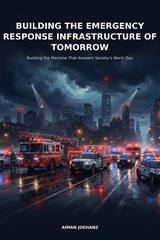 Building the Emergency Response Infrastructure of Tomorrow
Every other infrastructure in this series is built to run on a good day. The emergency response layer is the one machine built for the bad day: the call that must be answered in seconds, the crew that must arrive in minutes, the system that must keep working when fire, flood, and failure are taking everything else down. This structural guide dissects the emergency machine layer by layer - the dispatch center and its first three minutes; the fire service's war with the built environment; the medical layer's golden hour; the security layer's rapid response; the incident command system that makes
Table of contents
- Introduction
- Chapter 3: The Fire Layer — Suppression, Rescue, and the Built Environment
- Chapter 5: The Security Layer — Policing, Order, and the Rapid Response
- Chapter 8: The Disaster Layer — When the Emergency Exceeds the System's Design
- About this Series
- Connect
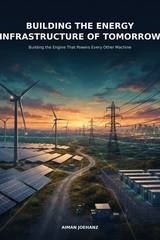 Building the Energy Infrastructure of Tomorrow
Every other infrastructure is a machine that converts energy into a service, and the energy layer is the machine that feeds them all: the fuel and the turbine, the line and the substation, the market and the grid operator, the blackout and the re-foundation. This structural guide dissects the energy machine layer by layer - the generation fleet and the conversion of heat to work; the synchronous grid as the largest single machine ever built; the distribution weave of the last mile; the market that trades an invisible commodity in real time; the storage layer's time machine; the demand side whe
Table of contents
- Introduction
- Chapter 1: The Energy Machine — What Energy Infrastructure Actually Is
- About this Series
- Connect
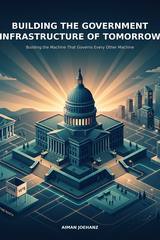 Building the Government Infrastructure of Tomorrow
The government machine is the machine that governs every other machine, and this volume takes it apart layer by layer: the constitutional frame that makes power correctable; the permanent civil service that keeps the state delivering through every political weather; the legislative chamber where the argument becomes the code; the executive ministry that does the doing; the justice machine that converts conflict into closure; the fiscal engine that funds it all and borrows against the unborn; the election ritual that makes power transferable without bloodshed; the digital state rebuilding the w
Table of contents
- Introduction
- Chapter 1: The Machine That Governs the Machines
- Chapter 2: The Constitutional Layer
- Chapter 3: The Civil Service Machine
- Chapter 4: The Legislative Machine
- Chapter 5: The Executive Machine
- Chapter 6: The Justice Machine
- Chapter 7: The Fiscal Machine
- Chapter 8: The Election Machine
- Chapter 9: The Digital State
- Chapter 10: The Government Machine's Re-Foundation
- About this Series
- Connect
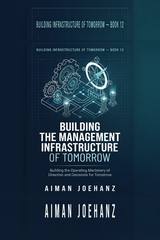 Building the Management Infrastructure of Tomorrow
An organization above a handful of people runs on machinery most of its members can feel but few can describe: the systems that convert intention into coordinated action. This guide dissects that machinery layer by layer — the written direction, the decision rights, the delegation ladder, the operating cadence, the information flow, the coordination interfaces, the failure machinery, and the re-foundation arriving as machine intelligence enters every layer. A structural blueprint for building the management infrastructure of tomorrow.
Table of contents
- Introduction
- Chapter 1: The Management Machine — What Management Infrastructure Actually Is
- Chapter 3: The Decision Layer — Rights, Records, and the Machinery of Choice
- Chapter 5: The Cadence Layer — Meetings, Reviews, and the Operating Rhythm
- Chapter 6: The Information Layer — Reports, Measures, and the Machinery of Sight
- Chapter 7: The Manager Layer — Selection, Training, and the Operating Bench
- Chapter 10: The Re-Foundation — When the Management Machine Learns
- Frequently Asked Questions
- Glossary
- About this Series
- Connect
 Building the Religious & Faith Infrastructure of Tomorrow
Every human society runs on an infrastructure of meaning - the shared stories, calendars, and moral commitments that turn strangers into a community - and the religious and faith infrastructure is the oldest and largest machine ever built to produce it. This structural guide dissects the faith machine layer by layer - the house of worship as engineered gathering space; the canon as preserved and translated code; the clergy pipeline that trains the custodians; the ritual calendar that synchronizes a community's year; the congregation weave that delivers charity and schooling; the hierarchy that
Table of contents
- Introduction
- Chapter 1: The House of Worship
- Chapter 2: The Canon
- Chapter 3: The Clergy Pipeline
- Chapter 4: The Ritual Machine
- Chapter 5: The Congregation
- Chapter 6: The Hierarchy
- Chapter 7: The Faith Treasury
- Chapter 8: The Schism Machine
- Chapter 9: The Digital Faith
- Chapter 10: The Re-foundation
- About this Series
- Connect